
Vibration is the silent enemy of precision woodworking. When you are operating a high-speed table saw or miter saw, even the slightest oscillation can lead to jagged edges, excessive noise, and dangerous kickback. For professionals and hobbyists alike, understanding the nuances of your equipment is essential for maintaining a safe and productive workshop environment.
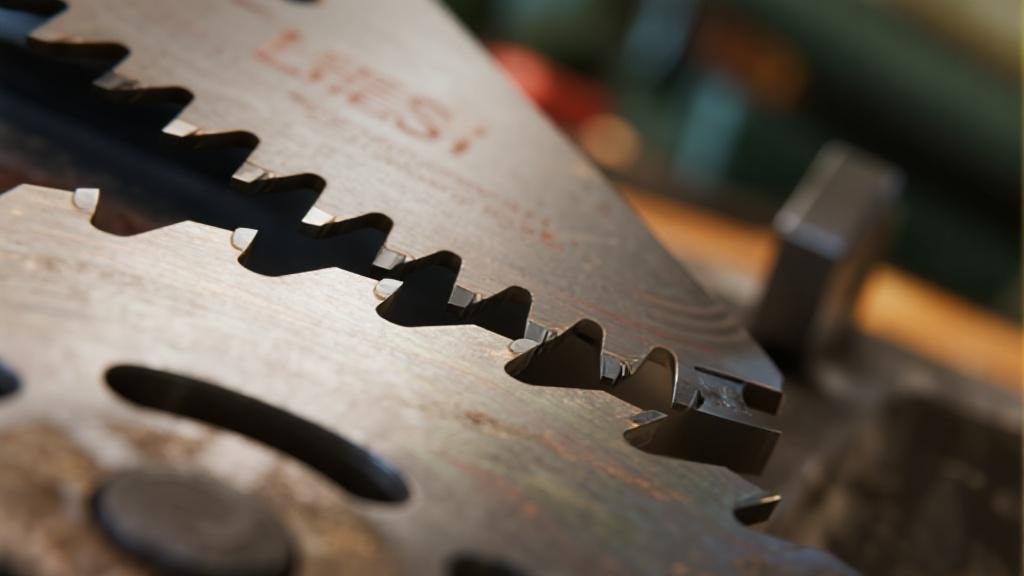
Carbide tipped saw blades are the industry standard due to their incredible hardness and ability to stay sharp longer than steel alternatives. However, their rigid construction means that any imbalance or misalignment is amplified during operation. If you have noticed “chatter marks” on your lumber or a humming sound that vibrates through the handle of your saw, it is time to take action.
Table of Contents
- Understanding the Root Causes of Blade Vibration
- The Critical Role of Professional Sharpening
- Carbide Tooth Replacement and Repair
- Comparing Blade Conditions: When to Repair vs. Replace
- Advanced Maintenance: Keeping Your Blades Vibration-Free
- The Science of “Blade Harmonics”
- Signs Your Blade Needs Professional Attention
Understanding the Root Causes of Blade Vibration
Before diving into repairs, we must identify why a blade vibrates. Vibration is rarely the result of a single factor; rather, it is often a combination of mechanical wear, blade fatigue, and environmental buildup. To solve the problem, we must look at the saw and the blade as a single, integrated system.
1. Mechanical Runout and Arbor Issues
Runout refers to the degree to which a rotating tool deviates from a true circle. If your saw’s arbor (the shaft that holds the blade) is bent or if the bearings are worn, the blade will wobble regardless of how sharp it is. Even a deviation of 0.001 to 0.003 inches at the arbor can translate to a noticeable wobble at the tips of a 10-inch or 12-inch blade.
2. Accumulation of Pitch and Resin
As you cut softwoods like pine or resinous hardwoods like cherry, heat causes the wood’s natural oils to bake onto the sides of the carbide teeth and the blade plate. This “pitch” creates friction and uneven thickness. When one side of the blade is heavier or thicker due to resin buildup, it creates an asymmetrical drag that manifests as vibration.
3. Improper Blade Tensioning
Professional-grade carbide blades are “tensioned” at the factory. This involves a technician hammering or rolling the steel plate so that it remains flat even when centrifugal force and heat act upon it during high-speed rotation. Over time, or through excessive overheating, a blade can “lose its tension,” causing it to flutter or “dish” during a heavy cut.
“A blade that vibrates is a blade that is fighting itself. Every oscillation is energy wasted and a potential safety hazard waiting to happen. Proper maintenance isn’t just an option; it’s a requirement for professional results.”
— Senior Shop Foreman, Carbide Blade Services
The Critical Role of Professional Sharpening
Many woodworkers wait until a blade is smoking or burning the wood before seeking sharpening services. However, micro-chipping and rounded edges on carbide teeth are primary drivers of vibration. When a tooth is dull, it no longer slices through the wood fibers cleanly. Instead, it “pounds” against the material, creating a series of micro-impacts that cause the entire machine to shake.
Why CNC Sharpening Matters
Hand-sharpening or using low-quality equipment can actually worsen vibration. Modern carbide saw blade sharpening relies on CNC (Computer Numerical Control) grinding machines. These machines use oil-cooled diamond wheels to remove the absolute minimum amount of material while maintaining the exact original geometry of the tooth.
- Top Grinding: Ensures all teeth are the exact same height to prevent “high-tooth” vibration.
- Face Grinding: Restores the hook angle for efficient chip removal.
- Side Grinding: Maintains the clearance required so the steel plate doesn’t rub against the wood.
Carbide Tooth Replacement and Repair
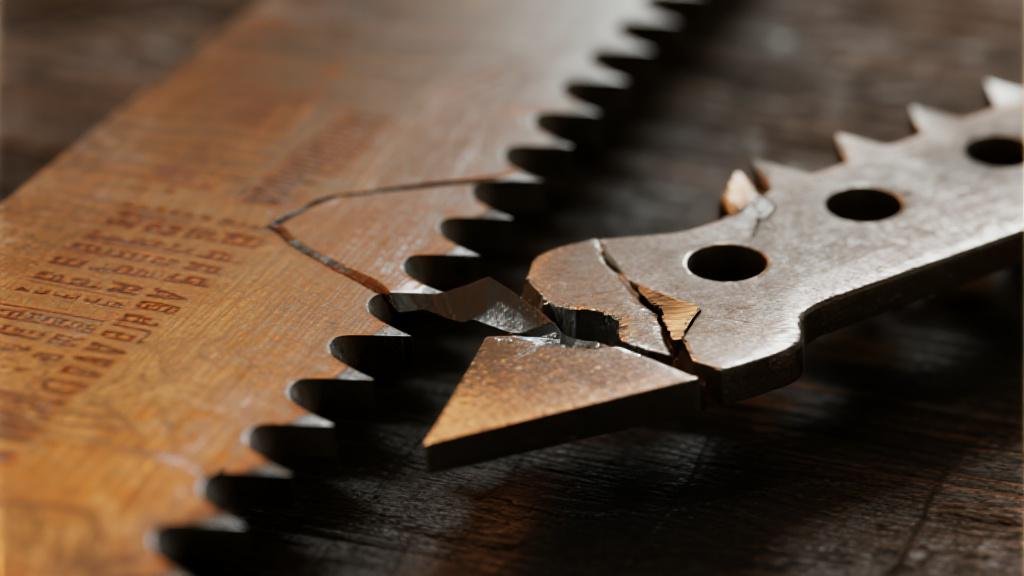
It is a common misconception that a blade with a broken or missing tooth is trash. In a professional repair shop, carbide tooth replacement is a standard procedure that can save you hundreds of dollars compared to buying a new high-end industrial blade.
The Brazing Process
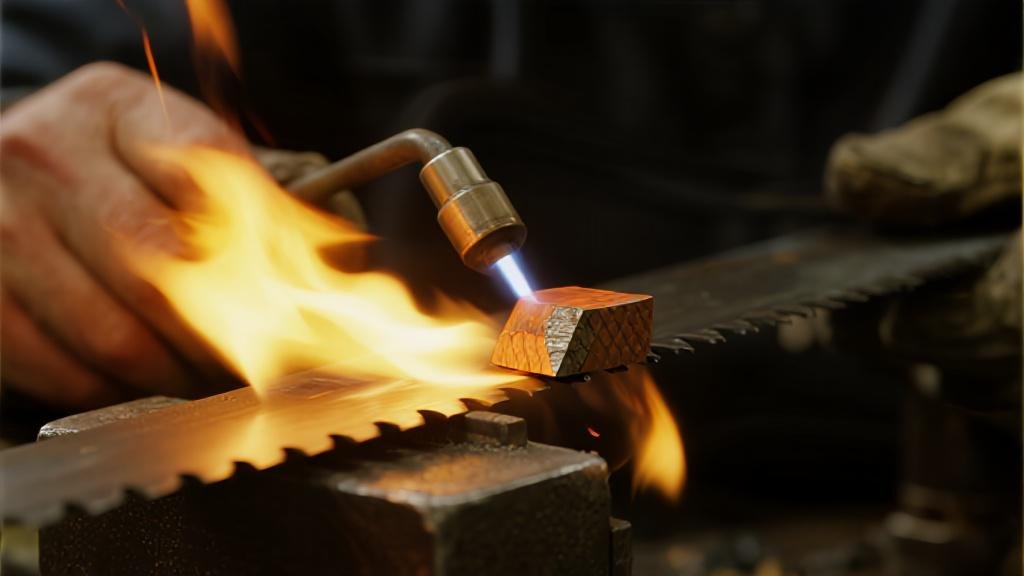
Carbide tips are not welded to the steel plate; they are brazed using a silver-solder alloy. If you hit a nail or a staple, the brittle carbide can shatter. A professional technician will:
- Clean the “pocket” or seat where the tooth sits.
- Apply a high-strength silver brazing flux.
- Use induction heating to precisely melt the solder without overheating the surrounding steel plate.
- Install a new, oversized carbide tip.
- Grind the new tip to match the existing teeth perfectly.
Warning: Never attempt to run a blade with a missing tooth. The gap creates a massive imbalance in the centrifugal force of the blade, which will rapidly destroy your saw’s arbor bearings.
Comparing Blade Conditions: When to Repair vs. Replace
Knowing when to invest in a repair and when to discard a blade is key to workshop economy.
| Issue | Symptom | Recommended Action |
|---|---|---|
| Minor Dullness | Slow feed rate, slight fuzzy edges. | Professional CNC Sharpening. |
| Pitch Buildup | Burning smell, dark marks on wood. | Deep cleaning with specialized solvent. |
| 1-3 Broken Teeth | Loud “clicking” or rhythmic vibration. | Carbide Tooth Replacement. |
| Warps/Heat Bluing | Blade looks “wavy” while spinning. | Plate tensioning or replacement. |
| Cracked Plate | High-pitched ringing or visible cracks. | Immediate Disposal (Dangerous). |
Advanced Maintenance: Keeping Your Blades Vibration-Free
Prevention is always more cost-effective than repair. By implementing a strict maintenance schedule, you can extend the life of your carbide tipped blades by up to 300%.
1. Regular Cleaning Cycles
Don’t wait for the blade to look dirty. Use a dedicated blade cleaner or a simple solution of laundry detergent and water. Avoid using harsh chemicals like oven cleaner, as these can attack the cobalt binder in the carbide.
2. Inspecting the Flanges
The flanges are the two metal disks that sandwich your blade on the arbor. If there is a single piece of sawdust trapped between the flange and the blade, it will cause the blade to sit at a slight angle.
3. Monitoring the “Gullets”
The gullet is the curved space between the teeth. Ensure your sharpening service is also cleaning and “backing off” the gullets to maintain proper chip flow and prevent heat buildup.
The Science of “Blade Harmonics”
Sometimes, a blade vibrates simply because it has reached its resonant frequency. High-end industrial blades often feature “laser-cut expansion slots” filled with silicone or copper. These slots are designed to break up sound waves and dampen vibration.
If you are experiencing vibration with a new, high-quality blade, check your saw’s RPM. If your saw is running too fast or too slow for the blade’s design, you may experience “harmonic flutter.” In these cases, using blade stabilizers can help dampen the plate and eliminate the noise.
Signs Your Blade Needs Professional Attention
Look for these five red flags:
- The “Singing” Test: When you tap a clean, unmounted blade, it should ring clearly. A “thud” indicates a crack or a loss of tension.
- Increased Amperage: If your saw’s motor is working harder, the friction from a dull blade is likely the cause.
- The Light Reflection Test: If you see a reflection on the very tip of the tooth, the edge is rounded (dull).
- Grain Tear-out: Significant splintering indicates the carbide is no longer shearing the fibers.
- Visible “Blueing”: Dark spots on the steel plate indicate the blade has overheated.
Conclusion: Investing in Precision
Fixing vibration in carbide tipped saw blades is a multi-faceted process that requires attention to detail. From the cleanliness of your flanges to the precision of a CNC sharpening machine, every factor plays a role in the quality of your finished work.
By understanding that a saw blade is a precision instrument rather than a simple consumable, you can achieve better results, save money on material waste, and ensure a safer workshop.
Don’t let vibration ruin your next project. If your blades aren’t performing at their peak, it’s time to consult with a professional sharpening and repair service. With the right care, a high-quality carbide blade can be sharpened 15 to 20 times, providing years of reliable, glass-smooth cuts.
Is your saw blade vibrating or leaving poor finishes? Contact our expert team today for professional CNC sharpening and carbide repair services. We specialize in restoring industrial-grade blades to better-than-factory condition.