
Table of Contents
- Recognizing the Signs of Wear and Damage in Carbide Tooling
- The Step-by-Step Professional Sharpening Process
- Advanced Repair Techniques for Damaged Carbide Bits
- DIY Sharpening vs. Professional Services: A Detailed Comparison
- The Financial Impact of Regular Tool Maintenance
- How to Evaluate a Carbide Service Provider
- Best Practices for Extending Bit Life Between Sharpenings
- Innovation in Carbide Sharpening Technology
In the high-stakes world of precision woodworking and industrial manufacturing, the quality of your finish is only as good as the edge of your tool. Carbide-tipped router bits are the workhorses of the modern shop, prized for their hardness and ability to maintain a sharp edge under extreme heat and friction. However, even the toughest tungsten carbide eventually succumbs to the abrasive nature of wood fibers, resins, and glues. When your bits begin to burn through material rather than slicing it, you face a choice: discard the tool or seek out professional carbide router bit sharpening and repair services.
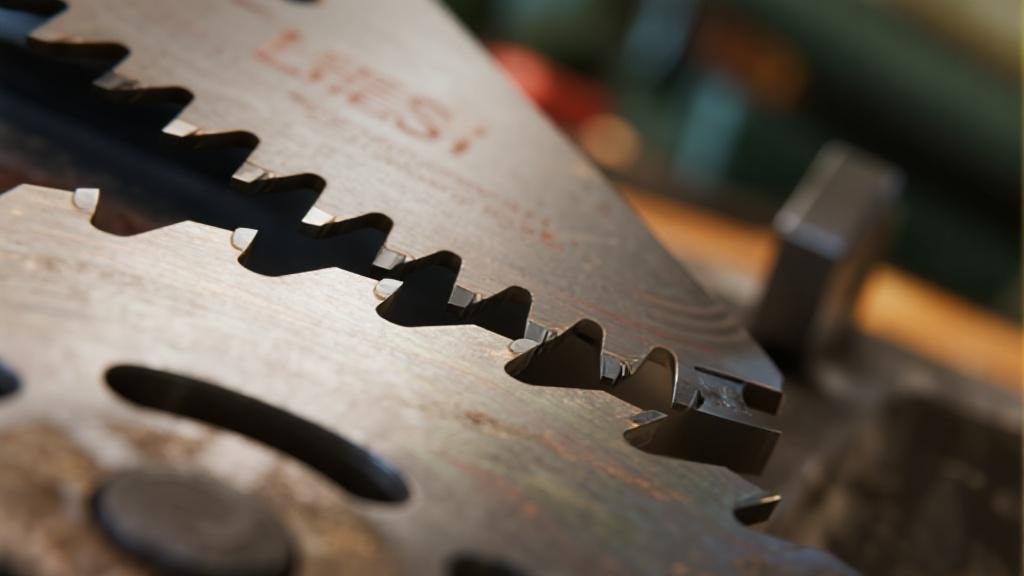
Maintaining your tooling is not just about aesthetics; it is a fundamental aspect of shop safety and economic efficiency. A dull bit requires more force to push through the stock, increasing the risk of kickback and putting unnecessary strain on your router’s motor. By investing in professional maintenance, you ensure that your tools perform at their original factory specifications, or sometimes even better. This comprehensive guide explores the intricacies of the sharpening process, the economics of tool repair, and how to identify when your bits need professional intervention.
Recognizing the Signs of Wear and Damage in Carbide Tooling
Knowing when to send your tools for carbide router bit sharpening and repair services is a skill that saves time and money. The most obvious sign is a change in the physical appearance of the cut. If you notice “fuzzing” or tear-out on the end grain of your timber, the bit is likely no longer severing the fibers cleanly. Instead, it is crushing them, which is a clear indicator that the microscopic edge of the carbide has rounded over.
Another unmistakable sign is the presence of burn marks on the wood. As a bit loses its sharpness, friction increases exponentially. This friction converts into heat, which scorches the wood and leaves behind a dark, charred residue. This is particularly common in resinous woods like pine or dense hardwoods like maple. If you find yourself having to slow down your feed rate significantly to avoid burning, your bit is overdue for a professional sharpening.
“A dull bit doesn’t just ruin your project; it endangers the operator. Increased resistance leads to force, and force leads to accidents. Sharpness is safety.”
Listen to your machinery as well. A sharp router bit should produce a consistent, high-pitched “whir.” If the sound changes to a lower-frequency growl or if you feel increased vibration in the router handles, the bit may be dull or slightly out of balance. Physical inspection is also necessary; look for small nicks or chips along the cutting edge. Even a tiny chip can leave a visible line in your finished product, requiring hours of additional sanding.
The Step-by-Step Professional Sharpening Process
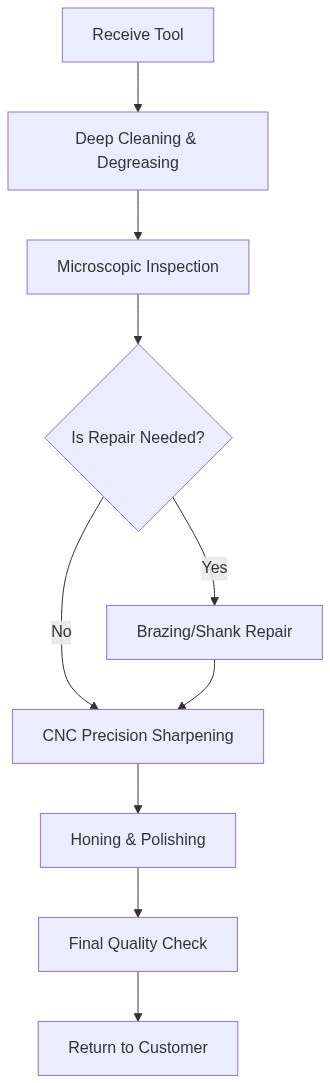
The journey of a tool through carbide router bit sharpening and repair services is a highly technical process involving several distinct stages. It begins with a deep cleaning. Bits are often submerged in ultrasonic baths or chemical cleaners to remove baked-on pitch, resin, and adhesive. This is crucial because any debris left on the bit can interfere with the precision of the grinding machinery or mask small cracks in the carbide.
Once cleaned, the bit undergoes a rigorous inspection under magnification. Technicians look for “heat checking”—tiny cracks caused by thermal shock—and ensure the shank is perfectly straight. If the bit passes inspection, it is loaded into a CNC grinding machine. These machines use industrial diamond wheels cooled by a constant flow of synthetic oil or coolant. The CNC program ensures that the grinding wheel follows the exact original profile of the bit, removing only microns of material from the face of the carbide.
Advanced Repair Techniques for Damaged Carbide Bits
Sometimes, a bit requires more than just a sharp edge; it needs structural restoration. Carbide router bit sharpening and repair services often include advanced techniques like re-tipping. If a bit has hit a nail or a knot and lost a chunk of carbide, a skilled technician can braze a new carbide blank onto the steel body. This involves using high-temperature silver solder to create a bond that can withstand the centrifugal forces of a router spinning at 22,000 RPM.
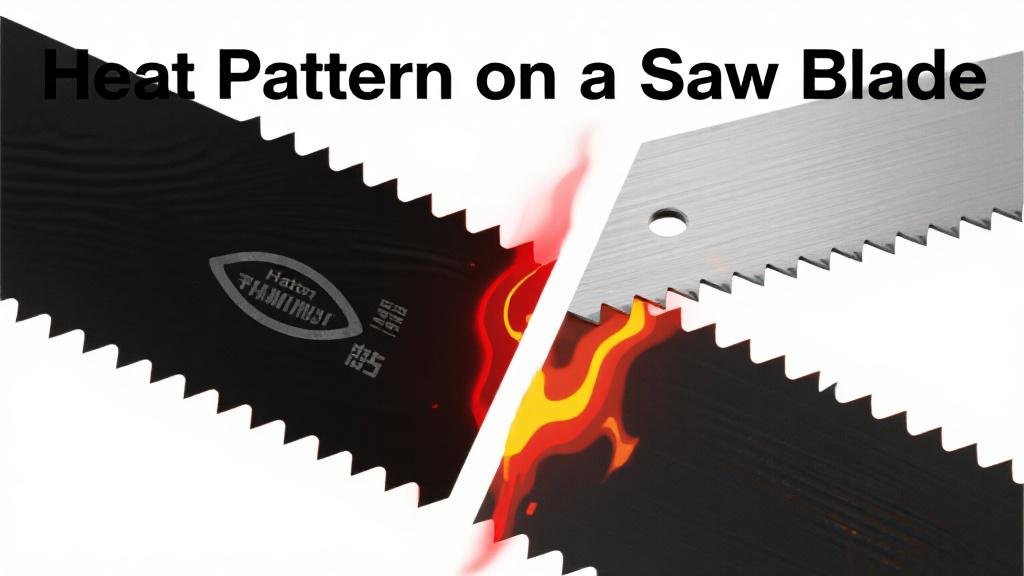
Shank repair is another critical service. If a bit has slipped in the collet, it may have “galling” or scoring on the shank. This prevents the bit from being held securely and can cause runout. Professionals can often grind the shank back to a true cylindrical shape, provided the diameter remains within safe tolerances. However, if the shank is bent or significantly thinned, the service provider will recommend decommissioning the tool for safety reasons.
DIY Sharpening vs. Professional Services: A Detailed Comparison
Many woodworkers attempt to sharpen their own bits using diamond paddles or small bench stones. While this can be effective for a quick “touch-up” in the middle of a project, it is not a substitute for professional carbide router bit sharpening and repair services. The primary issue with DIY sharpening is the inability to maintain the exact angles required for optimal performance. Manual sharpening almost always results in a slight rounding of the edge, which changes the “clearance” of the bit and leads to faster dulling.
| Feature | DIY Sharpening | Professional CNC Service |
|---|---|---|
| Precision & Accuracy | Low (Manual variance) | High (Micron-level CNC) |
| Geometry Preservation | Poor (Easy to round edges) | Excellent (Factory specs) |
| Tool Life Extension | Minimal | Maximum (5-10 sharpenings) |
| Safety Check | None | Structural & Balance Testing |
The Financial Impact of Regular Tool Maintenance
From a business perspective, the ROI on carbide router bit sharpening and repair services is undeniable. A high-quality industrial router bit can cost anywhere from $50 to $500. Professional sharpening typically costs between 15% and 25% of the price of a new bit. If a bit can be sharpened five times before the carbide becomes too thin, the cost per “tool life cycle” is significantly lower than buying six separate bits.
Beyond the direct cost of the tool, consider the “hidden” costs of dull bits. Dull bits cause tear-out, which leads to scrapped workpieces and wasted material. In a production environment, if a $200 sheet of premium plywood is ruined by a dull $60 bit, the lack of maintenance becomes an expensive mistake. Furthermore, sharp bits allow for faster feed rates, increasing the overall throughput of your shop.
How to Evaluate a Carbide Service Provider
Not all carbide router bit sharpening and repair services are created equal. When choosing a provider, the first thing to ask about is their equipment. A modern shop should be using 5-axis CNC grinding centers rather than manual grinders. CNC machines provide the repeatability and precision required for modern carbide grades. Ask if they use oil-based coolants, as these provide a superior finish and prevent the micro-cracking associated with water-based systems.
Turnaround time and logistics are also vital factors. If you are a professional shop, you cannot afford to have your primary bits out of commission for three weeks. Look for a service that offers a predictable schedule and perhaps even a local pickup and delivery service. For those who need to ship their bits, ensure the provider has a clear system for tracking tools and returning them safely packaged.
Best Practices for Extending Bit Life Between Sharpenings
While carbide router bit sharpening and repair services are essential, you can maximize the time between visits by following a few simple maintenance steps:
- Regular Cleaning: Pitch and resin buildup on the bit increases friction and heat. Use a dedicated tool cleaner to soak your bits after use.
- Proper Storage: Carbide is hard but brittle. Use a dedicated bit rack to prevent edges from clanking together and chipping.
- Optimized Feed Rates: Running a bit too fast without moving through material quickly causes “rubbing,” which dulls the edge instantly via heat.
Innovation in Carbide Sharpening Technology
The field of carbide router bit sharpening and repair services is currently undergoing a technological revolution. One of the most significant advancements is the integration of robotic automation and laser-guided measurement systems. These technologies allow for sub-micron accuracy and consistent results across large batches of complex tooling. By utilizing laser scanning, technicians can recreate the exact original geometry of a bit even if the manufacturer’s original specs are unavailable, ensuring your tools perform at their peak for years to come.