
The Ultimate Guide to Carbide Saw Blade Sharpening, Repair, and Maintenance
In the heart of High Point, North Carolina—a region world-renowned for its furniture manufacturing and woodworking heritage—precision isn’t just a goal; it’s a requirement. At Carbide Saws, Inc., we have been the silent partners of master woodworkers and industrial manufacturers since 1954. We understand that your saw blades are the heartbeat of your shop. When a blade is dull, your production slows, your quality drops, and your safety is compromised.
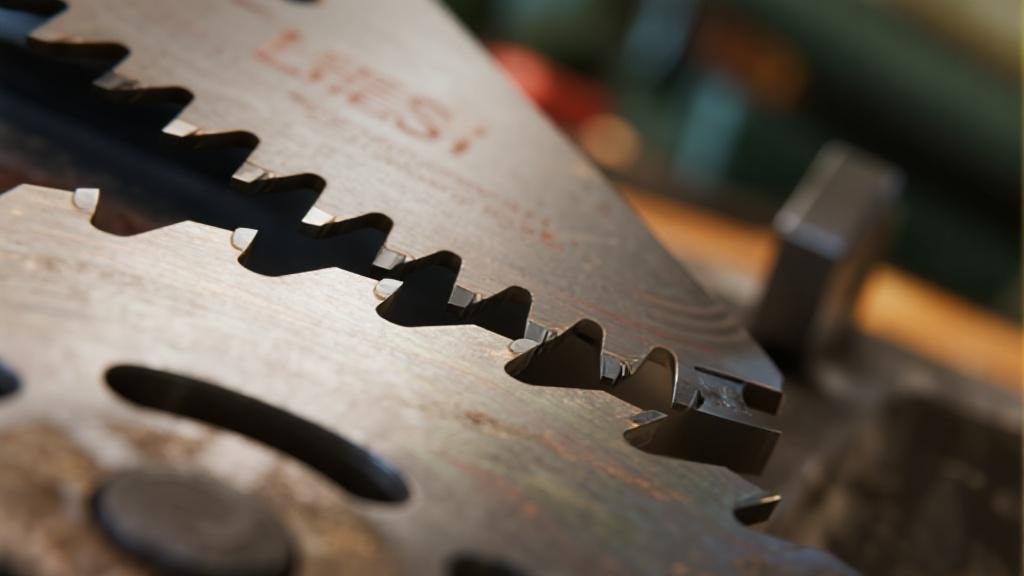
This comprehensive guide explores the intricate world of carbide-tipped saw blades. We will dive deep into why professional sharpening is a superior investment compared to replacement, how to identify the subtle signs of tool fatigue, and the advanced technical processes we use to restore your equipment to “better-than-new” condition.
Table of Contents
- Understanding the Carbide Advantage
- Signs Your Carbide Saw Blades Need Attention
- The Professional Sharpening Process
- Service Comparison: Why Professional Sharpening Wins
- Tooth Replacement and Blade Repair
- Beyond Saw Blades: Router Bit Sharpening
- Maintenance Tips to Extend Tool Life
- Why Choose Carbide Saws, Inc.?
- Contact Information
Understanding the Carbide Advantage
Standard steel blades were once the industry norm, but the introduction of tungsten carbide-tipped (TCT) blades revolutionized the cutting industry. Carbide is a compound of carbon and tungsten, resulting in a material that is significantly harder than tool steel. This hardness allows the blade to maintain a sharp edge for a much longer duration, even when cutting dense hardwoods, laminates, or non-ferrous metals.
However, that extreme hardness comes with a trade-off: brittleness. Carbide teeth are susceptible to chipping if they strike a foreign object or if the blade is run while dull, causing excessive heat buildup. This is why specialized maintenance from a professional High Point sharpening service is essential. You cannot simply use a hand file on carbide; it requires diamond-wheel grinding and precision machinery to restore the geometry of the cutting edge.
Signs Your Carbide Saw Blades Need Professional Attention
Many shop managers and hobbyists wait until a blade is completely “dead” before seeking service. This is a mistake that can lead to permanent plate damage. Recognizing the early warning signs of a dull blade will save you money and protect your machinery.
1. Increased Resistance and “Push” Force
When a blade is sharp, it should feel like it is “self-feeding” to a certain degree. If you find yourself having to exert significant physical force to push a workpiece through the table saw or if your miter saw feels like it is “chopping” rather than slicing, the teeth have likely rounded over. This puts immense strain on your router or saw motor, leading to premature tool failure.
2. Burn Marks and “Smoking” Cuts
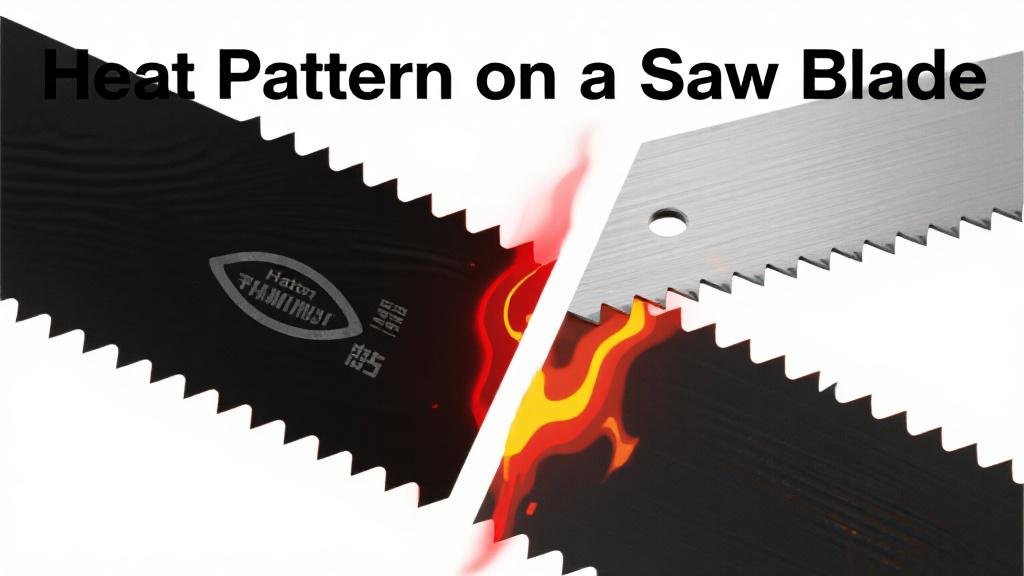
Heat is the primary enemy of carbide. As the cutting edge loses its keenness, it begins to rub against the wood fibers rather than severing them. This friction generates intense heat, leading to scorched edges on your cherry, maple, or oak workpieces. If you see smoke or smell burning wood, stop immediately. Continued use in this state can detemper the steel plate, making the blade warped and useless.
3. Tear-out and Splintering
A sharp carbide blade should leave a finish so smooth it requires minimal sanding. If you notice “fuzz” on the bottom of your plywood or chipping on the exit side of your crosscuts, the blade’s “hook angle” or “top bevel” has likely been compromised. For professional shops in High Point, this increase in sanding time represents a significant loss in labor efficiency.
4. Audible Changes in Pitch
Experienced woodworkers “listen” to their tools. A sharp blade has a consistent, high-frequency “whir.” A dull blade, or one with a chipped tooth, will produce a deeper, more labored growl or a rhythmic “thumping” sound. These vibrations are not just annoying; they are a sign of imbalance that can ruin your saw’s bearings over time.
Pro-Tip from the Shop Floor: “Never judge a blade solely by how it looks to the naked eye. Micro-chipping on the carbide edge is often invisible without a magnifying glass, but you will feel it in every cut you make.” — Carbide Saws, Inc. Master Technician
The Professional Sharpening Process at Carbide Saws, Inc.
In our High Point facility, we don’t just “grind” blades; we remanufacture them. Our process is designed to maintain the exact specifications intended by the original manufacturer.
Step 1: Ultrasonic Cleaning and De-pitching
Before any sharpening occurs, the blade must be surgically clean. We use industrial-grade ultrasonic cleaners and specialized solvents to remove every trace of pitch, resin, and sap. This ensures that our measuring equipment can get an accurate reading of the carbide’s condition.
Step 2: Digital Inspection and Straightness Testing
We check the “run-out” of the steel plate. If a blade has been overheated, the plate may have warped. We use precision dial indicators to ensure the plate is flat within thousandths of an inch. If it isn’t, our technicians perform hammer tensioning to restore the blade’s stability at high RPMs.
Step 3: CNC Precision Grinding
We utilize state-of-the-art CNC (Computer Numerical Control) grinding machines. These machines use flood-cooled diamond wheels to sharpen the face, top, and sides of each carbide tooth. By using a constant flow of coolant, we prevent the “thermal shock” that occurs in dry-grinding, which can cause micro-cracks in the carbide.
Step 4: Micro-Polishing
The final step is polishing the carbide to a mirror finish. A smoother surface reduces friction during the cut, which in turn reduces heat buildup and extends the time between sharpenings. This is the difference between a “hardware store” sharpen and a professional industrial sharpening.
Service Comparison: Why Professional Sharpening Wins
Many customers wonder if they should simply buy a new “disposable” blade from a big-box store. The table below illustrates why professional service of high-quality blades is the smarter financial move.
| Feature | Budget Disposable Blade | Professional Sharpening (CS, Inc.) |
|---|---|---|
| Initial Cost | $30 – $50 | $15 – $25 (Service Cost) |
| Plate Quality | Stamped, thin steel (prone to warping) | Laser-cut, tensioned steel (industrial grade) |
| Carbide Grade | Soft, low-density carbide | C4 Micro-grain carbide (long-lasting) |
| Cut Quality | Average; requires sanding | Glue-line rip quality; mirror finish |
| Total Lifespan | 1 – 2 uses | 10+ sharpenings (Years of use) |
Tooth Replacement and Blade Repair (Retipping)
One of the most common questions we receive in our High Point shop is: “I hit a nail and broke three teeth. Is the blade ruined?”
The answer is almost always no. Unlike many sharpening shops that only offer basic grinding, Carbide Saws, Inc. specializes in carbide retipping. We can remove the damaged remnants of a broken tooth and braze a brand-new, oversized carbide tip onto the existing pocket. After the new tip is installed, we grind it to match the exact profile of the remaining teeth. This service allows you to save a $150 industrial blade for a fraction of the replacement cost.
Beyond Saw Blades: Router Bit Sharpening
While saw blades are our specialty, our High Point facility is also equipped for precision router bit service. Router bits operate at much higher RPMs (often 20,000+ RPM) than saw blades, meaning even the slightest imbalance can be dangerous.
We sharpen a wide variety of bits, including:
- Solid Carbide Spiral Bits: Restoring the complex geometry of up-cut and down-cut spirals.
- Profile Bits: Maintaining the exact radius on roundover, ogee, and cove bits.
- Compression Bits: Essential for CNC operators cutting melamine and veneers without chipping.
Maintenance Tips to Extend Tool Life
To get the most out of your sharpening investment, follow these industry best practices between visits to our shop:
- Clean your blades regularly: Use a dedicated blade cleaner to remove pitch before it bakes onto the carbide.
- Use the right blade for the job: Don’t use a fine-tooth crosscut blade for ripping thick lumber; the heat buildup will dull it in minutes.
- Check your fence alignment: If your table saw fence isn’t perfectly parallel to the blade, it will cause “heeling,” which dulls one side of the carbide teeth prematurely.
- Proper Storage: Never stack blades on top of each other without a protective layer (like cardboard or plastic) between them. Carbide-to-carbide contact is a leading cause of chipped teeth.
The Economic Impact of Sharpening for High Point Businesses
For industrial furniture manufacturers in the Piedmont Triad, the math of sharpening is compelling. If your facility goes through 50 blades a year, buying new replacements could cost upwards of $5,000. By implementing a professional sharpening rotation with Carbide Saws, Inc., that cost can be slashed by 60-70%. Furthermore, sharp tools reduce “rework” and scrap, which are hidden costs that can sink a business’s profitability.
Why Choose Carbide Saws, Inc. in High Point, NC?
We aren’t just a service provider; we are a third-generation family business deeply rooted in the North Carolina woodworking community. Our reputation is built on:
- 70 Years of Expertise: We have seen every type of blade and every type of failure imaginable.
- Fast Turnaround: We know that “downtime is dead time.” Most services are completed within 24-48 hours.
- Free Pickup and Delivery: We offer a regular route service for commercial shops in High Point, Greensboro, and Winston-Salem.
- Custom Solutions: Need a blade modified for a specific industrial application? Our technicians can customize tooth geometry to suit your unique needs.
“The quality of the grind we get from Carbide Saws is superior to the factory edge on many of the blades we buy. They are an essential part of our production workflow.” — Local High Point Furniture Manufacturer
Contact Us for Expert Sharpening Services
Don’t settle for mediocre cuts and dangerous tools. Whether you are a professional cabinet maker, a metal fabrication shop, or a dedicated home hobbyist, Carbide Saws, Inc. is here to ensure your tools perform at their peak.
Ready to experience the difference a truly sharp blade makes?
- Phone: (336) 885-7700
- Address: High Point, North Carolina
- Hours: Monday – Friday, 8:00 AM – 5:00 PM
- Service Area: Local pickup in the Piedmont Triad; Mail-in service available nationwide.
Trust the experts who have been sharpening High Point’s success since 1954. Contact us today for a quote or to schedule a pickup!