
In the fast-paced environment of a professional cabinet shop, the precision of your cuts defines the quality of your finished product. Every woodworker knows that a table saw or miter saw is only as good as the blade mounted on its arbor. However, many shops overlook the significant financial impact of premature blade failure and poor cut quality. Implementing a strategy for cost-effective carbide blade maintenance for cabinet shops is not merely a chore; it is a vital business practice that preserves capital and ensures customer satisfaction.
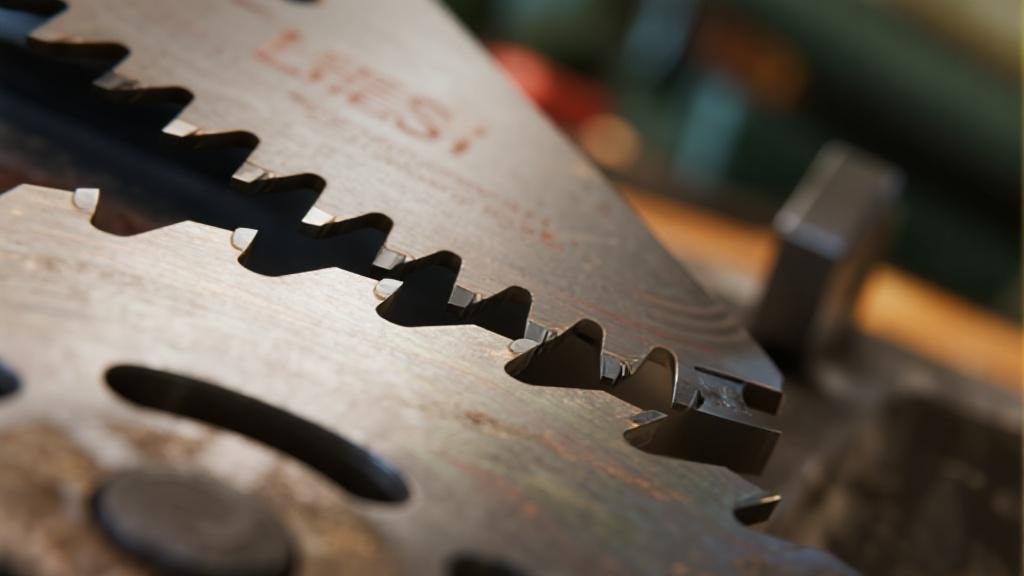
Carbide-tipped blades are engineered for durability, but they are not invincible. The resins, glues, and minerals found in modern sheet goods and hardwoods create a hostile environment for cutting edges. When pitch builds up, friction increases, leading to heat—the primary enemy of tungsten carbide. By understanding how to maintain these tools properly, shop owners can extend blade life by up to 300%, significantly reducing the overhead associated with tool replacement and professional sharpening services.
Quick Navigation
- The Anatomy of a High-Performance Carbide Blade
- The Hidden Costs of Dull Blades
- Routine Maintenance: The Cleaning Protocol
- Professional Sharpening: When and Why?
- Advanced Repairs: Saving Your Investment
- Best Practices for Storage and Handling
- The Economics of Sharpening vs. Buying New
- Choosing the Right Sharpening Partner
The Anatomy of a High-Performance Carbide Blade
To maintain a tool effectively, one must first understand its construction. A professional-grade carbide saw blade is more than just a circular piece of metal with teeth. It is a precision-engineered instrument consisting of a laser-cut steel plate and tungsten carbide tips (TCT).
The steel plate is often tensioned to ensure it remains flat and true under the centrifugal forces of high-speed rotation. The carbide tips are brazed onto the plate using a silver-solder alloy. Tungsten carbide is used because it is significantly harder than standard steel, allowing it to hold a sharp edge for much longer. However, this hardness comes with brittleness. Understanding that your blade is a combination of rigid strength and delicate edges is the first step toward proper maintenance.
Understanding Carbide Grades
Not all carbide is created equal. Most industrial blades use C3 or C4 micro-grain carbide. C4 is harder and stays sharp longer but is more prone to chipping if it hits a foreign object like a staple or a knot. C3 is slightly tougher and more impact-resistant. When you send a blade in for repair or tooth replacement, a professional service will match the carbide grade to the blade’s original specifications to maintain consistent performance.
The Hidden Costs of Dull Blades
Many shop managers wait until a blade is “smoking” the wood before changing it. This is a costly mistake. Running a dull blade impacts your business in several ways:
- Increased Material Waste: Dull blades cause tear-out on expensive veneers and laminates, leading to rejected parts.
- Machine Strain: A dull blade requires more force to push through material, putting unnecessary stress on your saw’s motor and bearings.
- Safety Hazards: Dull blades are more likely to cause kickback, as the teeth “grab” the wood rather than cutting through it cleanly.
- Labor Costs: Sanding out burn marks left by a dull blade takes time—time that your employees could spend on assembly or finishing.
“A sharp blade is a safe blade. In a production environment, the cost of a sharpening service is negligible compared to the cost of a single kickback injury or a ruined sheet of premium walnut plywood.”
Routine Maintenance: The Cleaning Protocol
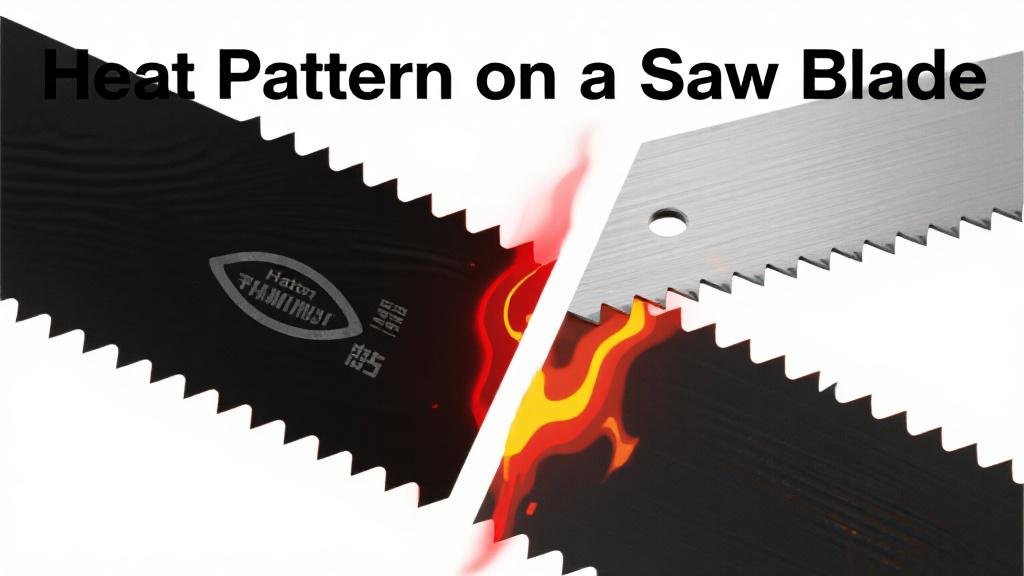
The most effective way to extend the time between professional sharpenings is regular cleaning. As you cut, the resins and “pitch” from the wood bond to the carbide tips and the steel plate. This buildup acts like sandpaper, creating friction and trapping heat.
How to Clean Your Blades Safely
Do not use wire brushes or harsh caustic chemicals that can damage the brazing holding the carbide tips in place. Instead, follow this protocol:
- Use a Dedicated Cleaner: Use a pH-neutral blade cleaner or a simple mixture of water and a citrus-based degreaser.
- Soak the Blade: Use a shallow pan to soak only the teeth of the blade for 10-15 minutes.
- Scrub Gently: Use a nylon or brass-bristled brush to remove the softened pitch.
- Dry Thoroughly: Moisture can lead to surface rust on the steel plate. Dry the blade immediately and apply a light coat of dry lubricant or specialized blade sealant.
Professional Sharpening: When and Why?
While cleaning helps, eventually the microscopic edge of the carbide will round over. This is when professional carbide sharpening becomes necessary. Unlike DIY sharpening setups, a professional service uses high-precision CNC (Computer Numerical Control) grinding machines cooled by oil or synthetic coolants.
The Sharpening Process Explained
A professional sharpening service doesn’t just “grind the teeth.” It is a multi-step restorative process:
- Inspection: The blade is checked for flatness, runout, and missing or chipped teeth.
- Cleaning: The blade is ultrasonically cleaned to remove all contaminants.
- Grinding: The CNC machine grinds the face, top, and sides of each tooth. Only a few thousandths of an inch are removed to restore the “factory sharp” edge.
- Tensioning: If the blade has “wobble,” a technician will hammer or roll the plate to restore its internal tension.
Comparison: New Blade vs. Professionally Sharpened Blade
| Feature | New Industrial Blade | Professionally Sharpened | Dull/Dirty Blade |
|---|---|---|---|
| Cost | $120 – $250+ | $20 – $45 | $0 (Immediate) / High (Long-term) |
| Cut Quality | Excellent / Factory Fresh | 95% – 100% of Factory | Poor (Burning/Tear-out) |
| Feed Resistance | Minimal | Minimal | High |
| Tool Life | 100% | Adds 10-15 cycles | Degrading rapidly |
Advanced Repairs: Saving Your Investment
What happens when a blade hits a nail or a piece of hardware? Most people assume the blade is trash. However, for high-quality industrial blades, carbide tooth replacement is a standard and safe procedure.
Carbide Tooth Replacement
If a tooth is chipped or missing, a technician can braze a brand-new carbide tip onto the existing pocket. This is done using a high-silver content solder and an induction heater or torch. Once the new tip is installed, it is ground to match the geometry of the surrounding teeth. This service typically costs a fraction of a new blade, making it an essential part of cost-effective carbide blade maintenance.
Straightening and Tensioning
If a blade overheats, the steel plate can “dish” or lose its tension. A dished blade will never cut straight, regardless of how sharp the teeth are. Professional shops have the equipment to check the plate’s runout and “hammer” it back into alignment. This is an art form that requires years of experience, but it can save a $300 custom dado set or a large-diameter sliding table saw blade from the scrap heap.
Best Practices for Storage and Handling
The way you handle blades when they are off the saw is just as important as how they are used on the saw. Carbide is extremely hard but brittle; if two blades clatter against each other, the teeth can easily chip.
- Never Stack Blades: Stacking blades directly on top of each other is the fastest way to chip carbide. If you must stack them, place a piece of cardboard or plywood between them.
- Use Blade Carriers: For transporting blades to the sharpening shop, use a dedicated wooden or plastic carrier that keeps the blades separated.
- Environment Matters: Store blades in a dry area to prevent rust. If your shop is not climate-controlled, consider using a vapor-corrosion inhibitor (VCI) paper or spray.
“Treat your carbide blades like precision measuring tools. You wouldn’t throw a pair of digital calipers into a junk drawer; don’t do the same with your $200 glue-line rip blade.”
The Economics of Sharpening vs. Buying New
For a cabinet shop, the math is simple. A high-quality 10-inch, 60-tooth crosscut blade costs roughly $150. That same blade can be professionally sharpened 10 to 15 times before the carbide is too thin to be useful. If sharpening costs $30, the total lifetime cost of that blade (including the initial purchase and 12 sharpenings) is $510. If you were to buy a new blade every time one got dull, you would spend $1,800.
By choosing a professional sharpening and repair program, your shop saves $1,290 per blade slot over the life of the tool. Multiply that by the number of saws in your shop, and the savings become a significant part of your annual profit margin.
Choosing the Right Sharpening Partner
Not all sharpening services are the same. A “guy with a truck” might be convenient, but for industrial-grade results, you need a partner with the right technology. Look for the following when choosing a service:
- CNC Grinding Equipment: Ensures every tooth is ground to the exact same height and angle, which is critical for smooth cuts.
- Oil-Cooled Grinding: Prevents heat damage to the carbide during the sharpening process.
- Comprehensive Services: They should offer tooth replacement, tensioning, and bore resizing.
- Fast Turnaround: In a production environment, you cannot afford to have your primary blades out of the shop for weeks.
Questions to Ask Your Sharpening Service
- “Do you use CNC grinders for all faces of the tooth?”
- “Can you replace teeth and provide a guarantee on the braze?”
- “Do you inspect and tension the plates as part of your standard service?”
- “What grade of carbide do you use for replacements?”
Conclusion: A Sharper Path to Success
Mastering cost-effective carbide blade maintenance for cabinet shops is a hallmark of a well-run business. By implementing a regular cleaning schedule, training staff on proper handling, and partnering with a professional sharpening and repair service, you protect your most valuable tooling investments.
The results of this commitment are immediate: cleaner edges that require less sanding, longer machine life, a safer working environment, and a significantly improved bottom line. Don’t wait for the smoke to appear—start your maintenance program today and see the difference that professional-grade sharpness makes in your craft.
Ready to restore your blades to factory-sharp condition? Contact our expert team today to learn more about our CNC sharpening, tooth replacement, and blade repair services tailored specifically for high-production cabinet shops.