
Table of Contents
- Understanding the Impact of Thermal Stress on Carbide Tips
- Identifying the Warning Signs of Overheated Blades
- The Feasibility of Repairing Heat Damaged Carbide Saw Blades
- Cleaning and Preparation: The First Step to Restoration
- Structural Integrity: Assessing Blade Flatness and Tension
- Advanced Techniques for Resharpening and Re-tipping
- Professional Restoration vs. DIY Maintenance
The high-pitched whine of a saw blade struggling through a piece of hardwood is a sound every woodworker dreads. It often signals that the blade is generating excessive friction, leading to a phenomenon known as thermal stress. When you pull the blade from the arbor and notice a distinct blue or straw-colored tint on the steel, you are looking at heat damage. This damage can compromise the integrity of the tungsten carbide tips and the tension of the steel plate itself.
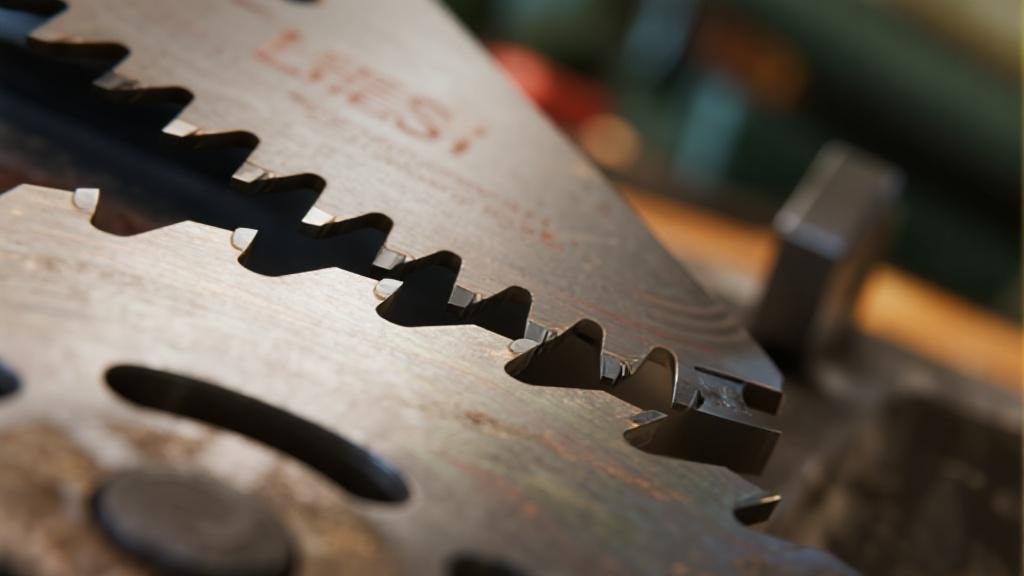
Understanding the nuances of repairing heat damaged carbide saw blades is essential for any professional shop or serious hobbyist. Carbide is prized for its hardness and ability to hold an edge, but it is also brittle and sensitive to extreme temperature fluctuations. If left unaddressed, a heat-damaged blade becomes a safety hazard and a liability to your project’s quality. This guide will walk you through the science of heat damage, the assessment process, and the technical steps required to bring your blades back to life.
Safety Warning: A heat-damaged blade isn’t just a performance issue; it’s a safety risk. Weakened brazing can lead to “thrown tips” which can cause serious injury.
Understanding the Impact of Thermal Stress on Carbide Tips
Tungsten carbide is a composite material made of carbide particles “cemented” together by a metallic binder, usually cobalt. While this combination creates an incredibly hard cutting edge, the two materials have different coefficients of thermal expansion. When a blade overheats, the cobalt binder can expand at a different rate than the carbide, leading to microscopic fractures known as thermal checking.
Furthermore, the heat often affects the brazing material that holds the carbide tip to the steel saw plate. Most manufacturers use a silver-based braze which has a specific melting point. If the heat generated during a cut approaches this threshold, the bond can weaken. This leads to “thrown tips,” where the carbide flies off the blade at high velocity, posing a significant safety risk.
Identifying the Warning Signs of Overheated Blades
The most obvious sign of heat damage is discoloration on the surface of the saw plate. This is caused by oxidation; different colors correspond to different temperature ranges:
- Light Straw: Minor overheating, usually manageable with cleaning and light sharpening.
- Deep Blue or Purple: Indicates the steel has exceeded 500°F (260°C), suggesting potential loss of tension.
- Black/Dark Grey: Severe thermal stress that may have permanently altered the steel’s properties.
In addition to visual cues, you should pay attention to the performance of the blade. If you notice that the saw requires more force to push through the material, it is likely that the tips have rounded over due to heat-induced softening. You might also see “burn marks” on the edges of the wood, which occur when the blade is no longer cutting cleanly and is instead generating friction.
The Feasibility of Repairing Heat Damaged Carbide Saw Blades
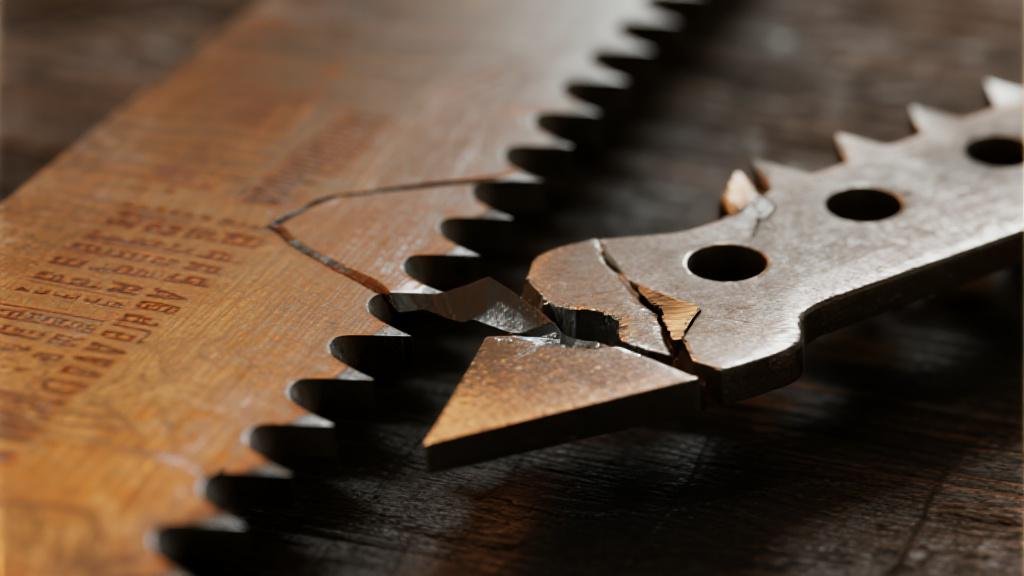
When considering repairing heat damaged carbide saw blades, the first question is whether the blade is structurally sound. If the heat has caused the steel plate to warp significantly, the cost of professional smithing (re-tensioning) might exceed the value of a new blade. However, for high-end industrial or specialty blades, restoration is often a cost-effective choice.
Cleaning and Preparation: The First Step to Restoration
Before any repair can begin, the blade must be meticulously cleaned. You cannot accurately assess the state of the carbide or the plate if it is covered in pitch, resin, or dried adhesives. Use a specialized blade cleaning solution or a mixture of water and a heavy-duty degreaser to soak the blade for about 15 to 20 minutes.
After soaking, use a brass-bristled brush to scrub away the softened debris. Avoid using steel wire brushes, as these can scratch the surface of the plate and create sites for future corrosion or stress cracks. Pay close attention to the gullets and the area around the brazed joints, as these are common hiding spots for baked-on resins.
Structural Integrity: Assessing Blade Flatness and Tension
A heat-damaged blade often loses its “runout” precision. To check for flatness, place the cleaned blade on a certified flat surface, such as a machinist’s granite plate or the cast-iron table of a high-quality table saw. Use a feeler gauge to check for gaps between the blade and the table. Any significant gap indicates that the plate has warped.
The Ring Test: Hold the blade by the center hole and lightly tap the plate with a plastic handle. A healthy blade produces a clear metallic ring; a dull “thud” indicates lost tension or internal cracks.
Advanced Techniques for Resharpening and Re-tipping
The actual process of repairing heat damaged carbide saw blades requires precision machinery. For resharpening, CNC (Computer Numerical Control) grinding machines are the gold standard. These machines ensure that every tooth is ground to the exact same geometry, maintaining the blade’s balance. The use of flood coolant is mandatory here; without it, the diamond wheel would generate enough heat to further damage the carbide.
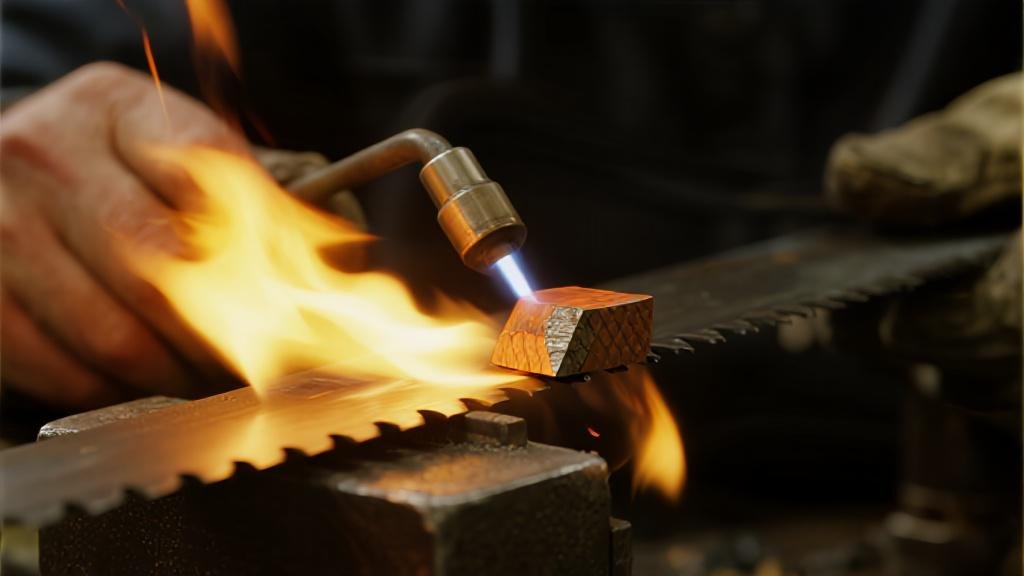
Re-tipping is an even more involved process. The technician uses an induction heater or a precision torch to heat the tooth pocket until the old braze melts. The damaged tip is removed, and the pocket is cleaned. A new carbide tip, pre-tinned with braze, is then positioned and heated until the bond is formed. The “tri-metal” brazing technique, which uses a layer of copper sandwiched between two layers of silver solder, is often used to provide a “cushion” that absorbs future thermal and mechanical shocks.
Professional Restoration vs. DIY Maintenance
Deciding whether to handle blade maintenance yourself or send it to a professional depends on the severity of the damage and the quality of your equipment. For minor dulling, a DIYer can use a diamond hone to “touch up” the edges. However, this is only a temporary fix and does not address the underlying issues of heat damage or plate tension.
| Damage Level | Symptoms | Recommended Action | Estimated Cost |
|---|---|---|---|
| Minor Overheating | Straw-colored stains, slight resin buildup. | Deep cleaning and professional resharpening. | $20 – $40 |
| Moderate Heat Damage | Blue/Purple oxidation, dull teeth, burn marks on wood. | Professional resharpening + Plate tension check. | $40 – $70 |
| Severe Damage | Missing/cracked tips, warped plate, dull “thud” sound. | Professional re-tipping or blade replacement. | $70 – $150+ |
By understanding these signs and the technical requirements for repair, you can extend the life of your cutting tools and ensure your shop remains both productive and safe.