
The Ultimate Guide to Professional Carbide Saw Blade Tooth Replacement and Sharpening
In the high-stakes world of industrial manufacturing and precision woodworking, the quality of your cut is often determined by the integrity of your tools. Carbide-tipped saw blades are the workhorses of these industries, prized for their extreme hardness and ability to maintain a sharp edge under intense heat and pressure. However, even the most robust carbide teeth are susceptible to chipping, fracturing, or complete detachment when they encounter hidden nails, knots, or simply through the rigors of long-term use.
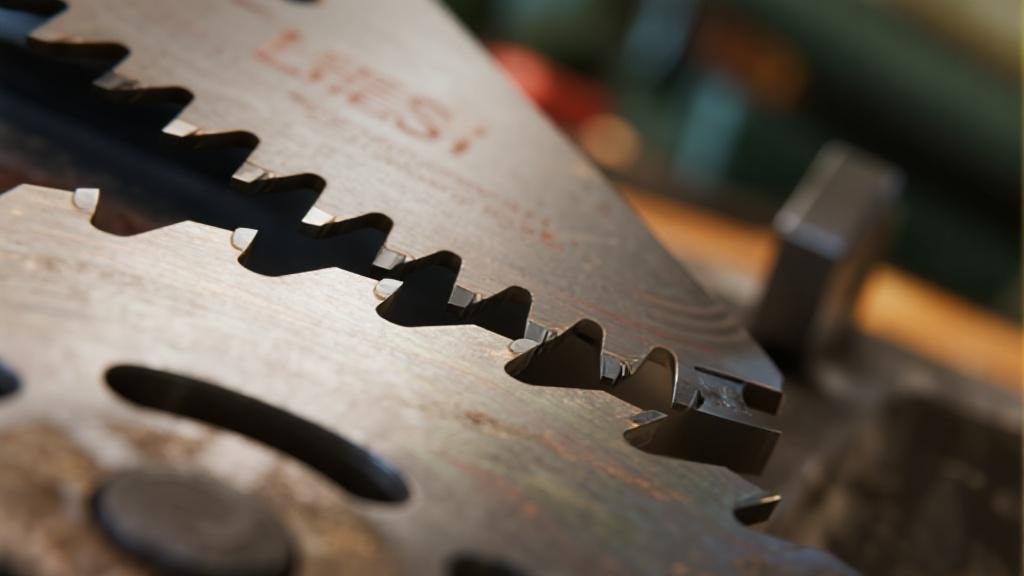
When a high-performance blade loses a tooth or loses its edge, many operators assume the blade is destined for the scrap heap. This is a costly misconception. A professional carbide saw blade tooth replacement and sharpening service offers a sophisticated alternative to expensive replacements. By opting for restoration, businesses can significantly reduce their overhead while maintaining the exacting standards required for fine finishes and industrial production.
Table of Contents
- Understanding the Professional Service
- Signs Your Blade Requires Attention
- The Economics: Repairing vs. Replacing
- The Technical Process: Brazing & CNC Grinding
- The Importance of Blade Geometry
- Professional Sharpening vs. In-House Methods
- Maintenance Tips to Extend Tool Life
- Safety First: Dangers of Damaged Blades
- How to Choose a Sharpening Partner
Understanding the Professional Carbide Saw Blade Tooth Replacement Service
A professional carbide saw blade service is much more than a simple repair shop; it is a precision engineering facility dedicated to tool geometry. The service focuses on the restoration of circular saw blades where the carbide tips have been compromised. Unlike standard steel blades, carbide-tipped blades consist of a high-tensile steel plate with small, extremely hard tungsten carbide teeth brazed into “pockets” along the circumference.
When a tooth breaks, the entire cutting dynamic of the blade changes. This leads to increased vibration, poor surface finish, and potential damage to the machine’s arbor. A professional service addresses these issues by utilizing induction heating and precision CNC grinding to restore the blade to its original factory specifications.
“A single missing tooth on a 60-tooth blade might seem insignificant, but it creates a rhythmic imbalance that can lead to premature bearing failure in your machinery and a visible ‘flutter’ in your finished product.”
Furthermore, these services cater to a wide variety of blade types, including those used for cutting non-ferrous metals, plastics, and various wood densities. Technicians must be familiar with diverse tooth geometries such as Triple Chip Grind (TCG), Alternate Top Bevel (ATB), and Flat Top Grind (FTG).
Signs Your Blade Requires Professional Attention
Identifying when a blade needs professional attention is crucial for maintaining safety and productivity. Regular inspection is the first line of defense against tool failure.
- Visible Chipping or Missing Teeth: The most obvious sign. Even a small chip can cause the blade to “grab” the material, leading to dangerous kickback.
- Excessive Heat and Burning: If you notice “blueing” on the steel plate or burn marks on your timber, the teeth are likely dull or misaligned.
- Increased Vibration: A blade that was once smooth but now causes the saw to shake is likely out of balance due to tooth loss.
- Poor Surface Finish: If your cuts are showing “fuzz,” splinters, or swirl marks, the carbide edges have rounded over.
- Higher Amperage Draw: If a machine’s motor is working harder to push the same material, the blade is no longer cutting efficiently.
The Comparative Economics: Repairing vs. Replacing
For many workshops, the decision to repair or replace is driven by the bottom line. High-quality industrial saw blades can cost hundreds or even thousands of dollars. In contrast, the cost of a professional carbide saw blade tooth replacement service is typically a fraction of the price of a new unit.
| Feature/Metric | Professional Restoration | New Blade Purchase |
|---|---|---|
| Average Cost | 15% – 30% of MSRP | 100% MSRP |
| Turnaround Time | 2 – 5 Business Days | Immediate (If in stock) |
| Environmental Impact | Low (Recycles Steel) | High (New Raw Materials) |
| Precision Level | Factory or Better | Factory Standard |
The Technical Process of Tooth Brazing and CNC Grinding
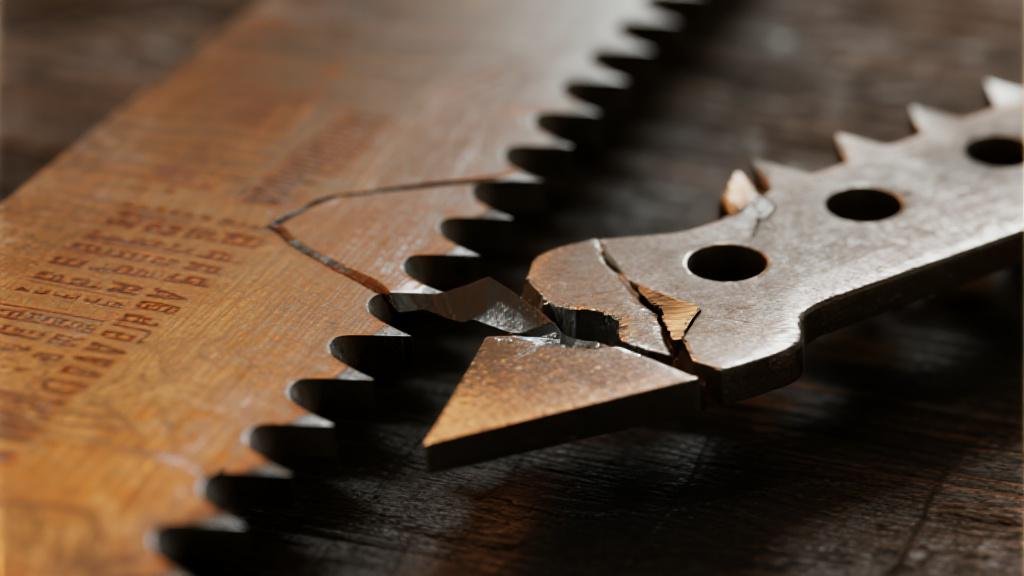
The process of replacing a carbide tooth is a delicate balance of heat management and geometric precision. It requires specialized equipment to ensure the tooth stays attached at high RPMs.
Step 1: Cleaning and Inspection
The process begins with an ultrasonic bath to remove pitch and resin. Once clean, the blade is inspected for stress cracks in the steel plate.
Step 2: Tooth Removal
Removing the damaged tooth involves localized induction heating. This allows the damaged piece to be removed without overheating and ruining the plate’s tension.
Step 3: Brazing the New Tip
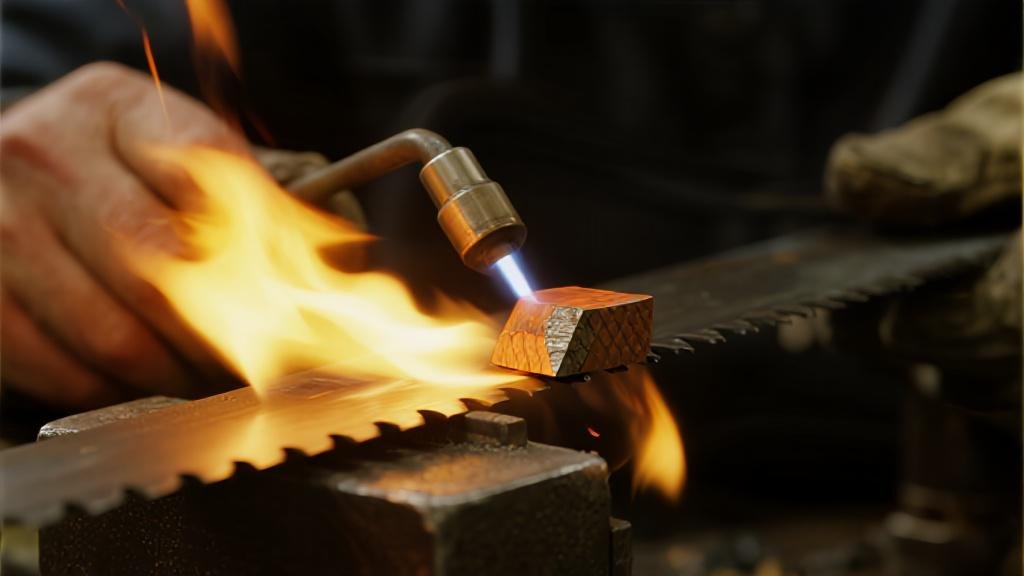
A new, oversized carbide tip is selected. Technicians use a high-strength silver solder and flux to bond the new tip into the pocket. The bond must be flawless to ensure safety.
Step 4: Precision CNC Grinding
The blade is placed in a multi-axis CNC grinding machine. Using oil-cooled diamond wheels, the machine grinds the face, top, and sides of the new tooth to match the remaining teeth exactly, often within 0.001 of an inch.
The Importance of Blade Geometry
The geometry of the tooth determines how the blade interacts with the material. A professional service understands these differences:
- Alternate Top Bevel (ATB): Best for cross-cutting wood and providing a clean finish.
- Triple Chip Grind (TCG): Ideal for hard materials like MDF, laminate, and non-ferrous metals.
- Flat Top Grind (FTG): Used for ripping wood along the grain quickly.
- High-ATB: Used for delicate veneers to prevent chipping on the bottom of the board.
Why Professional Sharpening Outperforms “In-House” Methods
Manual sharpening lacks the precision to maintain the concentricity of the blade. If one tooth is ground higher than the others, it takes the entire load, leading to rapid dulling and breakage. CNC grinding ensures that every single tooth is doing an equal amount of work, allowing the blade to stay sharp up to 300% longer than manual methods.
“Precision is the difference between a tool that works and a tool that performs. In industrial settings, performance translates directly to profit.”
Maintenance Tips to Extend Carbide Life
Proper maintenance can reduce the frequency of tooth replacement and keep your cuts clean.
- Keep it Clean: Use a dedicated blade cleaner to remove pitch and resin regularly.
- Monitor Feed Rates: Feeding too slowly causes burning; feeding too fast can chip the carbide.
- Use the Right Blade: Never use a fine-tooth finish blade for ripping thick hardwood.
- Store Properly: Never stack blades on top of each other without protection to avoid micro-chipping.
- Check Alignment: Ensure your saw’s fence and arbor are aligned to prevent uneven wear.
Safety First: The Hidden Dangers of Damaged Blades
Operating a saw with a damaged carbide tooth is a significant safety hazard. A cracked tooth can shatter upon impact, turning into high-velocity shrapnel. Professional inspection includes “tensioning,” where a service can restore the plate’s flatness, ensuring it runs true and safe at high speeds.
How to Choose a Professional Sharpening Service
- Do you use CNC grinding equipment? Manual sharpening is outdated for high-performance carbide.
- What type of coolant do you use? Flood-cooled oil grinding prevents thermal shock to the carbide.
- Can you replace individual teeth? Ensure they have brazing capabilities, not just sharpening.
- What are your tolerances? Look for guarantees within .001″.
- Do you provide tensioning? They should look at the whole blade, not just the teeth.
Conclusion: The Path to Industrial Efficiency
A professional carbide saw blade tooth replacement and sharpening service is an indispensable asset. By moving away from a “disposable” mindset, you save capital and ensure production remains at peak performance. Advanced CNC technology allows these services to return a damaged blade to a condition that is often better than factory-new.
Invest in your tools, and they will invest in you. Regular professional servicing ensures that every cut is precise, every machine runs smoothly, and your bottom line remains protected.