
Top Signs Your Carbide Tipped Blade Needs Repair: A Comprehensive Maintenance Guide
Precision is the hallmark of professional woodworking and metalworking. When you invest in high-quality carbide tipped blades, you are investing in the longevity and accuracy of your projects. However, even the most robust tungsten carbide teeth eventually succumb to the stresses of high-speed friction and material resistance. Recognizing the early warning signs of degradation is not just about quality control; it is a fundamental safety requirement for any workshop.
Table of Contents
- Understanding Carbide Tipped Blades and Their Lifespan
- Visual Signs Your Carbide Tipped Blade Needs Repair
- Performance Red Flags: When to Stop the Saw
- The Science of Professional Carbide Sharpening
- Comparison: DIY vs. Professional vs. Replacement
- Audible Cues: Listening for Blade Distress
- Tooth Replacement and Re-tipping
- Maintenance Best Practices to Extend Blade Life
A dull or damaged blade forces the motor to work harder, increases the risk of dangerous kickbacks, and ruins expensive raw materials. Many operators wait until a blade fails completely before seeking help, but proactive maintenance can save you significant money in the long run. By understanding the subtle shifts in performance and appearance, you can determine exactly when to pull a blade from service for professional attention.
Pro Tip: “The cost of sharpening a blade is usually less than 20% of the cost of a new high-quality blade, yet it restores 100% of the performance. Never view sharpening as an expense; view it as a high-yield investment in your shop’s productivity.”
Understanding Carbide Tipped Blades and Their Lifespan
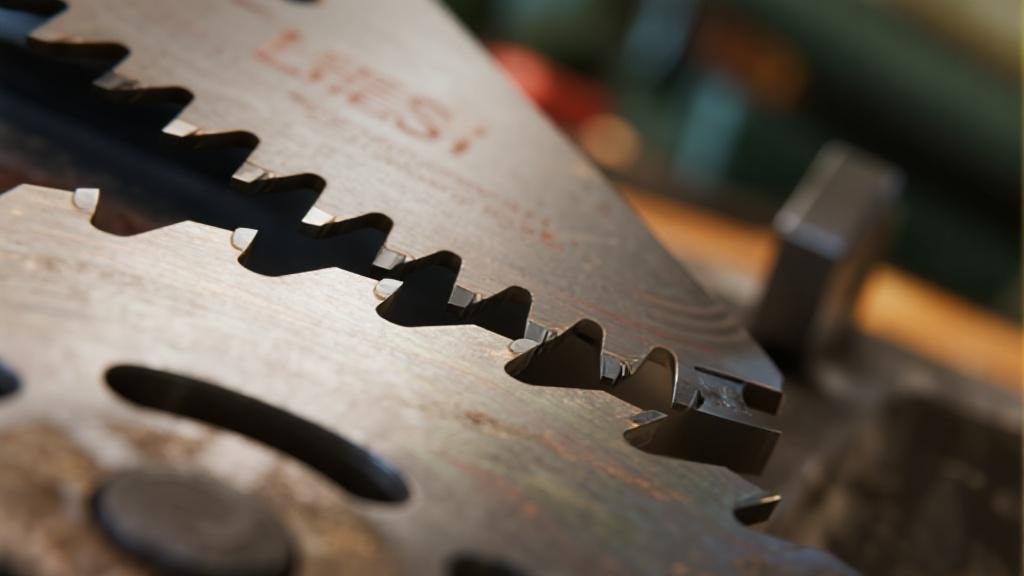
Carbide tipped blades are engineered for durability, featuring a steel body with small teeth made from a mixture of tungsten and carbon. This combination creates a material that is significantly harder than standard high-speed steel (HSS). Consequently, these blades can maintain a sharp edge for a much longer duration—sometimes up to 50 times longer than steel blades—under intense heat.
The lifespan of a carbide blade is typically measured in the number of sharpenings it can withstand rather than just months or years. A high-quality blade can often be sharpened 10 to 15 times before the carbide tips become too thin for further use. This longevity depends heavily on the type of material being cut and the frequency of use. For instance, cutting abrasive materials like MDF, particleboard, or melamine will dull a blade faster than natural hardwoods.
Physical Inspection: Visual Signs Your Carbide Tipped Blade Needs Repair
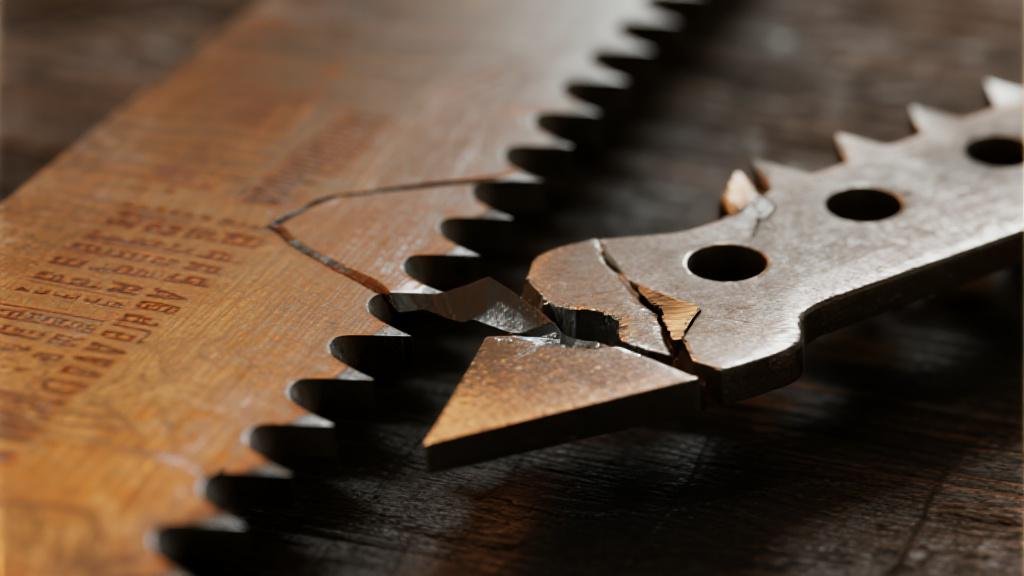
A thorough visual inspection should be your first line of defense when assessing tool health. You should look for missing or chipped teeth, which often occur when the blade hits a nail or a hard knot in the wood. Even a tiny chip can disrupt the balance of the blade and lead to poor cut quality.
The Impact of Pitch and Resin Buildup
The presence of “pitch” or resin buildup on the sides of the carbide tips and in the gullets usually indicates that the blade is generating excessive heat. This heat is frequently caused by a loss of sharpness, which prevents the blade from slicing cleanly through fibers. If the buildup is accompanied by dark brown or black stains, the blade has likely been “burned,” which can lead to tension loss in the steel plate.
Plate Warping and Runout
If the steel plate is not perfectly flat, the blade will wobble during rotation, leading to a wider kerf and a rougher finish. Check for any discoloration on the steel, particularly blue or purple tints. These colors indicate that the steel has reached high temperatures, which can temper the metal and reduce its structural integrity.
Inspecting the Braze Line
The braze line is the area where the carbide meets the steel body. Look for any hairline fractures or gaps in this silver-colored bond. If you see any signs of the carbide tip shifting or lifting, stop using the blade immediately. Professional saw blade repair services can “re-tip” a blade, replacing individual missing teeth and re-brazing them to factory specifications.
Performance Red Flags: When to Stop the Saw
The way your saw interacts with the material provides immediate feedback regarding its condition. One of the most obvious signs your carbide tipped blade needs repair is the appearance of burn marks on the edges of your cuts.
- Increased Feed Resistance: If you find yourself having to “force” the workpiece through the saw, the teeth are likely dull or the blade is warped.
- Tear-out and Splintering: When teeth are dull, they “bash” through the fibers rather than severing them, causing shattering in plywood and veneers.
- Inaccurate Dimensions: If a blade is warped, it will cut a wider path (kerf) than intended.
- Motor Strain: If the motor sounds like it is “bogging down” during a standard cut, the blade is likely creating too much drag.
The Science of Professional Carbide Sharpening
Professional sharpening involves grinding three distinct surfaces of the carbide tip using CNC (Computer Numerical Control) grinding machines that flood the blade with coolant to prevent heat damage:
- The Face: The front of the tooth where the chip is formed.
- The Top: The primary cutting edge that determines the height of the cut.
- The Sides: Critical for maintaining “side clearance” so the steel plate doesn’t rub against the material.
Comparison: DIY vs. Professional Sharpening vs. Replacement
| Feature | DIY Sharpening | Professional Service | Blade Replacement |
|---|---|---|---|
| Cost | Low (Time only) | Moderate ($15 – $45) | High ($80 – $200+) |
| Precision | Low (Manual errors) | High (CNC Controlled) | Factory Perfect |
| Blade Life | Reduced (Uneven wear) | Maximized (Minimal removal) | N/A |
| Safety | Variable | Verified Inspection | High |
Audible Cues: Listening for Blade Distress
A healthy carbide tipped blade produces a consistent, high-pitched “singing” sound when it reaches full speed. If you hear a fluttering or oscillating sound, the blade may be out of balance or slightly warped. This rhythmic noise indicates that the blade is not spinning in a perfectly true circle, which can lead to bearing wear on your saw’s arbor.
When the blade enters the wood, the sound should remain steady. If the saw begins to “scream” or produce a harsh, grinding noise, it is a sign that the teeth are struggling to clear the waste material. Listen also for any “clunking” sounds, which could indicate a cracked tooth or a foreign object embedded in the gullet.
Tooth Replacement: When “Broken” Doesn’t Mean “Trash”
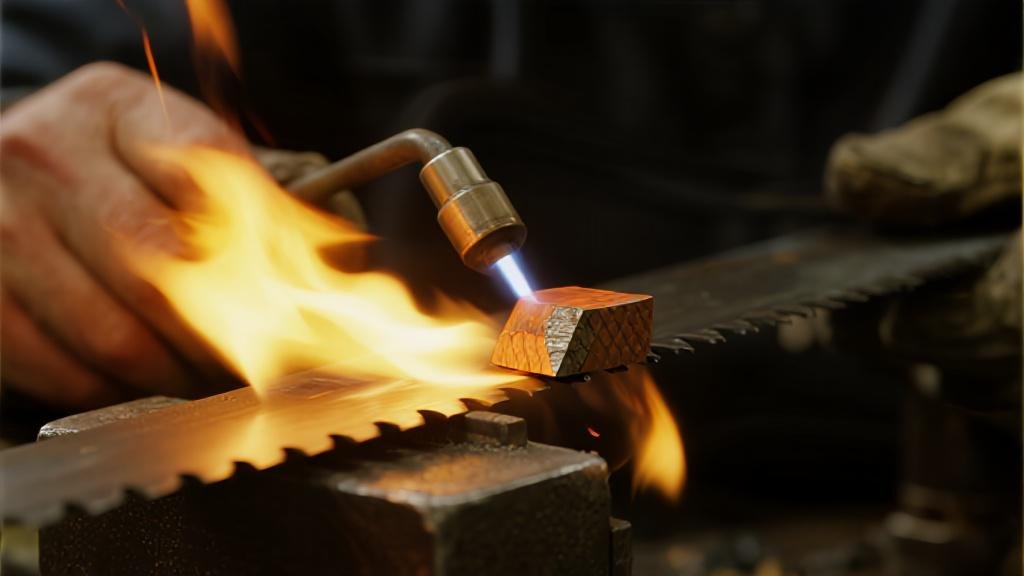
One of the most common misconceptions in the workshop is that a blade with a missing tooth must be thrown away. In reality, tooth replacement (or re-tipping) is a standard procedure for professional sharpening services. Because the steel body of a high-quality blade is built to last, it is far more economical to replace a few carbide tips than to buy a new blade.
The professional re-tipping process involves:
- Removing the remains of the old carbide and cleaning the “pocket.”
- Selecting a new carbide tip that matches the grade and size of the existing teeth.
- Induction brazing the new tip using a silver-solder alloy.
- Grinding the new tip to match the exact diameter and angles of the rest of the blade.
Maintenance Best Practices to Extend Blade Life
While repair and sharpening are inevitable, you can extend the intervals between professional services by following these steps:
1. Clean Your Blades Regularly
Use a dedicated blade cleaner or a solution of laundry detergent and water to soak the blade. Use a nylon brush to scrub away resin. Never use a wire brush, as it can scratch the steel and create microscopic points where cracks can start.
2. Proper Storage
Never stack carbide blades on top of each other without a protective layer like cardboard or a plastic shim. If the carbide teeth strike the steel plate of another blade, they can easily chip.
3. Use the Right Blade for the Job
Always match the tooth count and grind type (ATB, TCG, Flat Top) to the material and direction of the cut. Using a fine-tooth crosscut blade to rip thick hardwood is a recipe for heat damage.
Conclusion: The Value of Professional Care
Recognizing the signs your carbide tipped blade needs repair is a skill that separates the amateur from the professional. By paying attention to visual cues like chipped teeth and resin buildup, listening for changes in the blade’s sound, and monitoring the quality of your cuts, you can ensure your shop remains both productive and safe.
“A sharp blade is a safe blade. When the tool does the work, the operator stays in control. When the operator has to force the tool, accidents happen.”
If you’ve noticed any of the signs mentioned in this guide, it’s time to pull that blade from service. Whether it needs precision sharpening, a full re-tensioning of the plate, or tooth replacement, professional intervention will restore your blade to factory-new performance, saving you money and ensuring every cut you make is a masterpiece of precision.