
Whether you are a seasoned professional woodworker, a high-volume cabinet shop owner, or a weekend DIY enthusiast, the quality of your finish often depends on the edge of your blade. When you walk down the tool aisle of a hardware store, you are immediately confronted with a massive price gap between different types of circular and miter saw blades. On one hand, you have shiny, affordable steel blades. On the other, you have premium-priced carbide-tipped options.
This leads to the fundamental question: Carbide Saw Blades Vs. Non Carbide: what’s the difference, and is the extra investment truly worth it?
Choosing the wrong blade doesn’t just result in a poor cut; it can damage your expensive lumber, burn your saw’s motor, and even pose a safety risk. A blade that dulls too quickly forces you to apply more pressure, increasing the likelihood of kickback or splintering. Conversely, overspending on a high-end carbide blade for a one-time demolition job might be a waste of resources.
Defining the Basics: What Are Carbide Saw Blades?
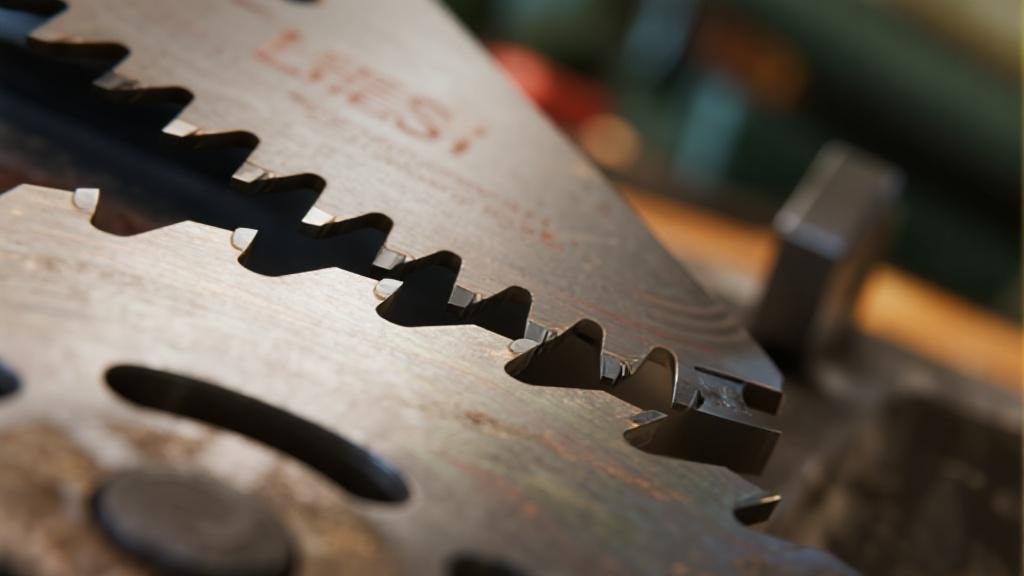
Carbide saw blades are not made entirely of carbide. Instead, they consist of a high-quality alloy steel body with small “teeth” made of tungsten carbide brazed onto the tips. Tungsten carbide is a chemical compound composed of equal parts tungsten and carbon atoms, often mixed with a metallic binder like cobalt. This material is incredibly dense and ranks just below diamond on the Mohs scale of hardness.
The manufacturing process for these blades is intricate. Manufacturers use a process called “brazing” to attach the carbide tips to the steel plate. High-quality blades often use silver-tri-metal solder for this purpose because it provides a flexible yet incredibly strong bond that can withstand the high centrifugal forces and thermal expansion generated during a heavy cut.
Understanding Carbide Grades (C1 to C4)
Not all carbide is created equal. In the industry, carbide is often categorized by grades:
- C1 to C2: These are “tougher” grades. They contain more cobalt binder, making them less likely to chip if they hit a nail or a knot. These are typically found in construction-grade blades.
- C3 to C4: These are “harder” grades. They have less binder and more tungsten carbide, allowing them to hold a microscopic edge for much longer. These are the gold standard for fine woodworking and industrial production.
Understanding Non-Carbide Options: Steel and HSS Blades
Non-carbide blades, often referred to as “steel” or “High-Speed Steel” (HSS) blades, are made from a single piece of metal. Unlike their carbide counterparts, the teeth are stamped or ground directly into the steel body of the blade.
Carbon steel blades are the most basic form. They are relatively soft compared to carbide, which means they can be sharpened with a simple hand file. However, they lose their edge very quickly when cutting anything harder than soft pine and are highly susceptible to heat damage.
High-Speed Steel (HSS) contains alloying elements like tungsten, molybdenum, and chromium, which allow the blade to withstand higher temperatures. While HSS is significantly better than plain steel, it still falls short of carbide in terms of edge retention. These blades are often found in specialized applications, such as cutting thin plastics or in handheld jigsaws where flexibility is required.
The Ultimate Comparison: Carbide vs. Non-Carbide
To truly understand the value proposition, we must look at the performance metrics side-by-side. The following table highlights why carbide has become the industry favorite despite the higher initial price point.
| Feature | Carbide-Tipped Blades | High-Speed Steel (HSS) | Standard Steel Blades |
|---|---|---|---|
| Edge Retention | Extreme (50x longer than steel) | Moderate | Low (dulls rapidly) |
| Heat Resistance | High (up to 1200°F) | Medium | Low (warps easily) |
| Initial Cost | $40 – $180+ | $15 – $40 | $5 – $15 |
| Sharpenability | Professional Diamond Grinding | Standard Grinding Wheel | Hand File |
| Cut Quality | Glass-smooth finish | Good (when new) | Rough / Tear-out prone |
| Repairability | High (Teeth can be replaced) | Low | None |
The Science of Sharpening: Why Carbide Requires Expertise
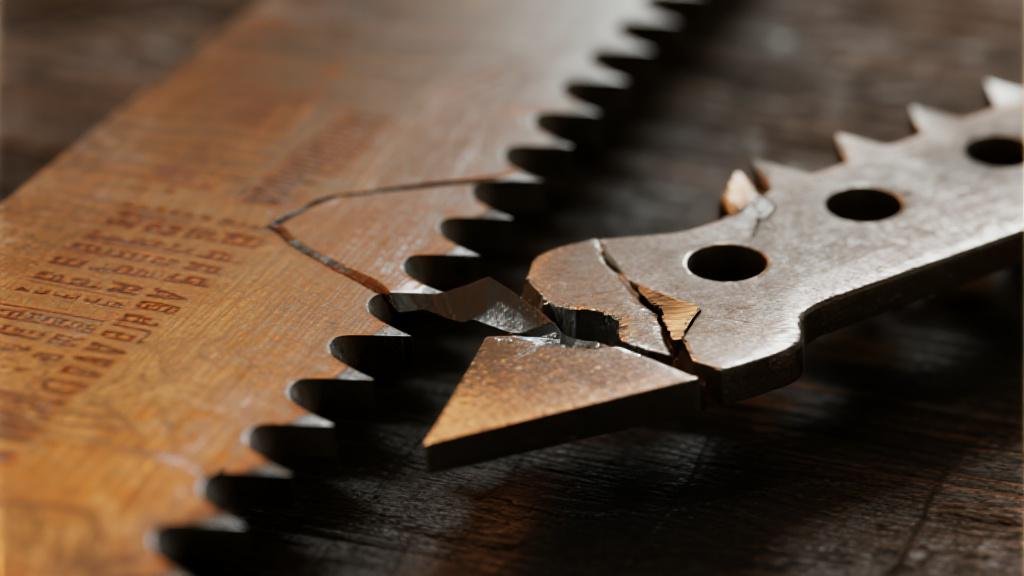
One of the most significant differences in the Carbide Saw Blades Vs. Non Carbide discussion is how these tools are maintained. You cannot sharpen a carbide blade with a standard file. Because tungsten carbide is nearly as hard as diamond, only diamond-impregnated grinding wheels can effectively restore the edge.
At a professional sharpening service, we follow a specific protocol to ensure the blade performs better than it did when it was brand new:
- Ultrasonic Cleaning: We use specialized chemical baths to remove pitch and resin buildup without damaging the steel plate.
- CNC Grinding: Modern carbide sharpening utilizes CNC (Computer Numerical Control) machinery to match the exact original geometry (ATB, TCG, or FTG) within microns.
- Minimal Material Removal: We aim to remove only the “dull” layer, ensuring your blade can be sharpened 10 to 15 times over its lifespan.
“A high-quality $100 carbide blade that is professionally sharpened five times costs significantly less over its lifetime than buying five $30 ‘disposable’ blades. Plus, the cut quality remains superior throughout.”
Repair and Tooth Replacement: Saving Your Investment
One of the greatest advantages of carbide-tipped blades is that they are repairable. If you hit a nail with a standard steel blade, it is usually destined for the scrap heap. With carbide blades, a broken or chipped tooth is not a death sentence.
As a professional repair shop, we perform “tooth replacements” daily. The process involves de-brazing the damaged tip, cleaning the pocket, re-brazing a new carbide tip of the matching grade, and grinding it to the exact profile of the surrounding teeth. This capability allows industrial shops to run the same blade bodies for years.
Maintenance Tips: How to Make Your Carbide Blades Last
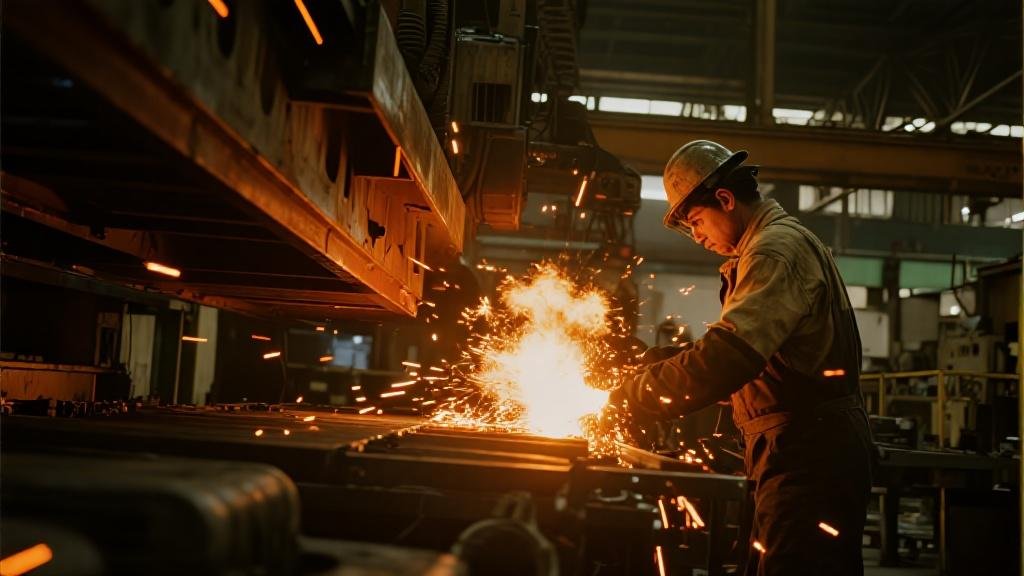
While professional sharpening is necessary, your daily habits dictate how often you’ll need our services:
- Keep it Clean: Pitch and resin buildup increases friction and heat. Use a dedicated blade cleaner to wipe down your blades weekly.
- Avoid “Stacking” Blades: Carbide is hard but brittle. If teeth clink against each other, they can chip. Use dedicated wooden racks or spacers.
- Monitor Your Feed Rate: Pushing wood through too slowly causes burning; pushing too fast causes chipping. Listen for a consistent, humming “whir.”
Safety and Precision: The Hidden Costs of Dull Blades
In the Carbide Saw Blades Vs. Non Carbide debate, safety is often overlooked. A dull blade no longer “slices” wood fibers; it “beats” them. This requires the operator to use more force, which leads to two major hazards:
- Kickback: When the blade can’t cut through the wood, the material can be seized and hurled back at the operator.
- Slippage: Increased manual pressure makes it more likely that a hand will slip into the path of the blade if the wood suddenly moves.
Final Verdict: Making the Right Choice for Your Workshop
Choose Non-Carbide (Steel/HSS) if:
- You are doing a “one-off” demolition job where hitting nails or dirt is expected.
- You are using a handheld jigsaw for thin, flexible cuts in plastic.
- Budget is the only factor and finish quality is irrelevant.
Choose Carbide-Tipped if:
- You value precision, clean cuts, and a professional finish.
- You work with hardwoods, plywood, MDF, or laminates.
- You want a tool that can be sharpened and repaired multiple times for better long-term value.
The Professional Edge
At the end of the day, a saw blade is an investment in your craft. While carbide blades have a higher entry price, their ability to be professionally restored to “factory-sharp” condition makes them the most cost-effective choice for anyone serious about woodworking.
Is your blade burning wood or leaving rough edges? Don’t settle for subpar results or risk your safety. Contact our professional sharpening and repair shop today. We specialize in precision CNC sharpening, tooth replacement, and blade tensioning to ensure your tools perform at their absolute peak.