
The Ultimate Guide to Carbide Saw Blade Sharpening, Repair, and Maintenance
In the world of precision woodworking and industrial metal fabrication, the carbide-tipped saw blade is the undisputed king of the workshop. Known for its incredible hardness and ability to maintain a sharp edge under extreme heat, carbide has revolutionized how we cut materials. However, even the most robust carbide blade is not invincible. Over time, heat, friction, and resin buildup take their toll, leading to dull edges, chipped teeth, and warped plates.
For professional shops and serious hobbyists, understanding the nuances of carbide saw blade sharpening and repair is the difference between a clean, effortless cut and a dangerous, wasteful operation. This guide explores the technical processes behind professional blade restoration, the economics of sharpening versus replacement, and the best practices for maintaining your investment.
“A dull blade is more than just a nuisance; it is a safety hazard. It forces the operator to apply excessive pressure, increases the risk of kickback, and generates heat that can permanently damage the saw’s motor and the material being cut.”
— Senior Technician, Precision Blade Works
Understanding the Anatomy of a Carbide Saw Blade
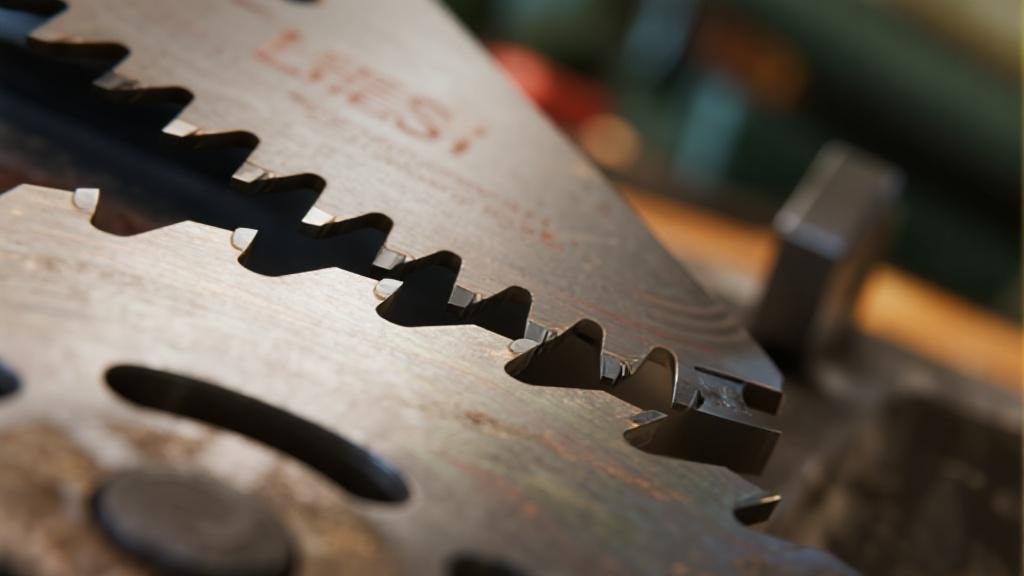
Before diving into the sharpening process, it is essential to understand what makes these blades unique. Unlike standard steel blades, where the teeth are stamped directly into the plate, a carbide blade consists of a hardened steel body with small tips of Tungsten Carbide brazed onto the seats.
The Role of Tungsten Carbide
Tungsten carbide is a compound made of tungsten and carbon atoms. It is roughly three times stiffer than steel and much denser. In the context of saw blades, “carbide” is actually a matrix of carbide particles held together by a metallic binder, usually cobalt. This combination allows the teeth to withstand the high temperatures generated during high-speed friction without losing their “temper” or hardness.
Plate Tensioning and Expansion Slots
The steel body of a high-quality blade isn’t just a flat piece of metal. It is tensioned to ensure it remains flat and true while spinning at 4,000+ RPM. Furthermore, professional blades feature laser-cut expansion slots. These slots allow the metal to expand as it heats up during a cut without causing the blade to warp or “dish.” During the repair process, a technician must often check the runout of the plate to ensure it hasn’t lost its tension.
Signs Your Blade Requires Professional Attention
Many operators wait until a blade is completely “dead” before seeking sharpening. This is a mistake. Sharpening a slightly dull blade requires removing very little carbide, extending the total life of the tool.
- Increased Feed Resistance: If you find yourself pushing the material harder than usual, the cutting edges are rounded.
- Burn Marks: Dark scorch marks on hardwoods like cherry or maple indicate that the blade is rubbing rather than cutting.
- Splintering and Tear-out: A sharp blade severs wood fibers cleanly. A dull blade “smashes” through them, causing chips on the underside of the material.
- Audible Change: A dull blade often produces a higher-pitched “scream” or a labored humming sound during operation.
- Visible Chipping: Using a magnifying glass, inspect the tips. If the corners are rounded or “dubbed,” the blade is overdue for service.
The Professional Sharpening Process: Step-by-Step
While DIY sharpening kits exist, they cannot replicate the precision of industrial CNC (Computer Numerical Control) grinding. Professional sharpening is a scientific process that restores the original factory geometry of the tooth.
1. Cleaning and De-pitching
The first step in any repair is the removal of pitch, resin, and adhesives. We use ultrasonic cleaning tanks or specialized chemical baths to strip the blade down to the bare metal without damaging the cobalt binder in the carbide.
2. Inspection and Straightening
Once clean, the blade is checked for flatness using a dial indicator. If the blade has a “wobble” (runout) greater than .002 inches, it must be hammer-tensioned or straightened. This is a specialized skill where a smith uses specific hammers and an anvil to move the “stiffness” of the steel plate back to the center.
3. CNC Grinding
Modern sharpening utilizes multi-axis CNC machines. These machines use diamond-impregnated wheels cooled by a constant flow of synthetic oil or coolant. The machine grinds three distinct surfaces: the Face, the Top, and the Sides.
Advanced Repairs: Tooth Replacement and Brazing
One of the greatest advantages of carbide blades is that they are repairable. If you hit a nail or a stone and shatter a tooth, the blade isn’t garbage. We can perform a tooth replacement.
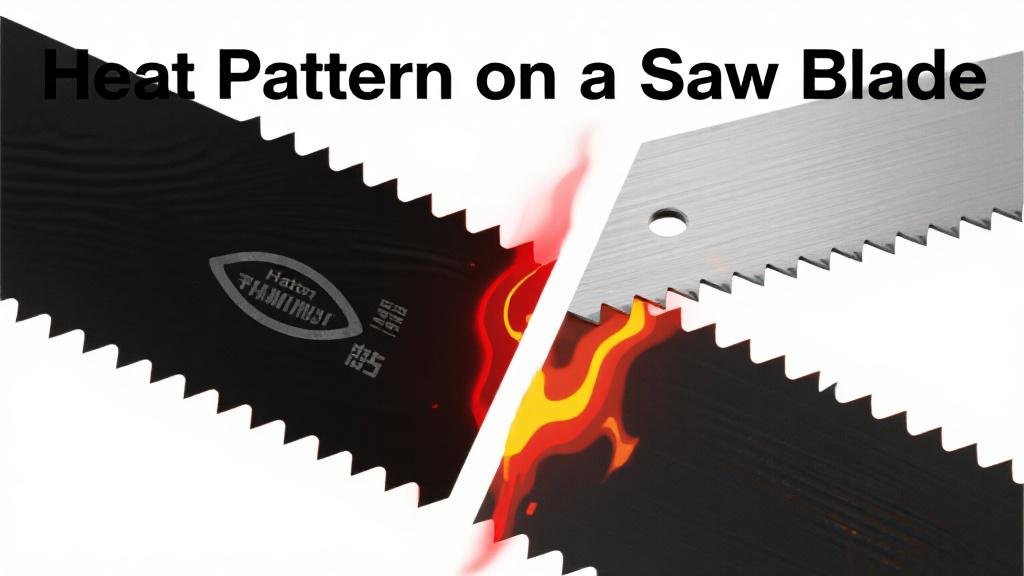
To replace a tooth, the technician uses an induction heater or an oxy-acetylene torch to melt the silver solder holding the broken tip. A new carbide blank is then selected to match the width and grade of the remaining teeth. Using a high-strength silver solder tri-foil, the new tip is brazed onto the steel shoulder. The copper layer acts as a shock absorber, helping the new tooth withstand impact.
Comparing Blade Services: When to Sharpen vs. Replace
| Feature | Professional Sharpening | Buying New (Economy) | Buying New (Premium) |
|---|---|---|---|
| Cost | $15 – $45 | $30 – $60 | $100 – $200 |
| Cut Quality | Like New (or better) | Average | Excellent |
| Longevity | 10-15 sharpenings possible | Disposable | High (Large Carbide) |
| Sustainability | High (Recycles plate) | Low (Wasteful) | Medium |
The Science of Tooth Geometry
Not all carbide teeth are ground the same way. The geometry determines how the blade interacts with the material:
- ATB (Alternate Top Bevel): Best for cross-cutting wood; sharp points shear fibers cleanly.
- FTG (Flat Top Grind): Square teeth used for durable, high-speed ripping with the grain.
- TCG (Triple Chip Grind): A trapezoidal tooth followed by a flat raker; the standard for MDF, laminate, and aluminum.
- Hi-ATB: Aggressive angle for plywood and melamine to prevent veneer chipping.
Maintenance Tips to Extend Blade Life
Proper “in-shop” maintenance can double the time between professional sharpenings.
Clean Your Blades Regularly
You don’t need a professional tank to remove pitch. A simple soak in a citrus-based cleaner will dissolve resins. Use a brass-bristled brush (never steel) to scrub the teeth. Removing pitch reduces friction, which keeps the carbide cool and sharp.
Use the Correct Blade for the Job
Using a fine-tooth cross-cut blade to rip thick slabs of oak causes the blade to overheat instantly, “cooking” the carbide and causing it to become brittle. Always match the blade’s tooth count to the material.
“I used to think my blades were ‘done’ after a year of heavy use. After sending them to a professional smith for sharpening and tensioning, they actually cut smoother than they did out of the box.”
— Mark R., Custom Cabinet Maker
The Economics of Professional Blade Care
For a high-volume shop, saw blades are a significant capital expense. A premium 10-inch or 12-inch carbide blade can cost $120 to $200. Professional sharpening typically costs about 20% of the price of a new premium blade. Because a high-quality blade can be sharpened 10 to 15 times, the total cost of ownership drops significantly over time.
Conclusion: Investing in Precision
Carbide saw blade sharpening is an art backed by metallurgy and high-tech engineering. By moving away from the “disposable” mindset and investing in professional maintenance, you ensure that your shop remains efficient, your cuts remain precise, and your environment remains safe.
Ready to restore your blades to factory-new condition? Contact our technicians today to discuss our CNC sharpening and tooth replacement services.