
Table of Contents
- Understanding the Power of Tungsten Carbide
- Signs Your Carbide Blade Needs Sharpening
- The Professional Sharpening Process: CNC vs. Manual
- Tooth Replacement and Advanced Repairs
- Comparison: Professional Service vs. Buying New
- Maintenance Tips to Keep Your Blades Sharp Longer
- The Economics of Professional Sharpening
- Common Myths About Carbide Sharpening
- Conclusion: The Value of a Sharp Edge
Understanding the Power of Tungsten Carbide
In the world of high-precision woodworking, metalworking, and industrial manufacturing, the carbide-tipped saw blade is the undisputed king. Known for its incredible hardness and ability to maintain a sharp edge under extreme heat, tungsten carbide has revolutionized how we cut through tough materials. However, even the most robust industrial blades are not invincible. Over time, friction, heat, and material buildup take their toll, leading to diminished performance and potential safety hazards.
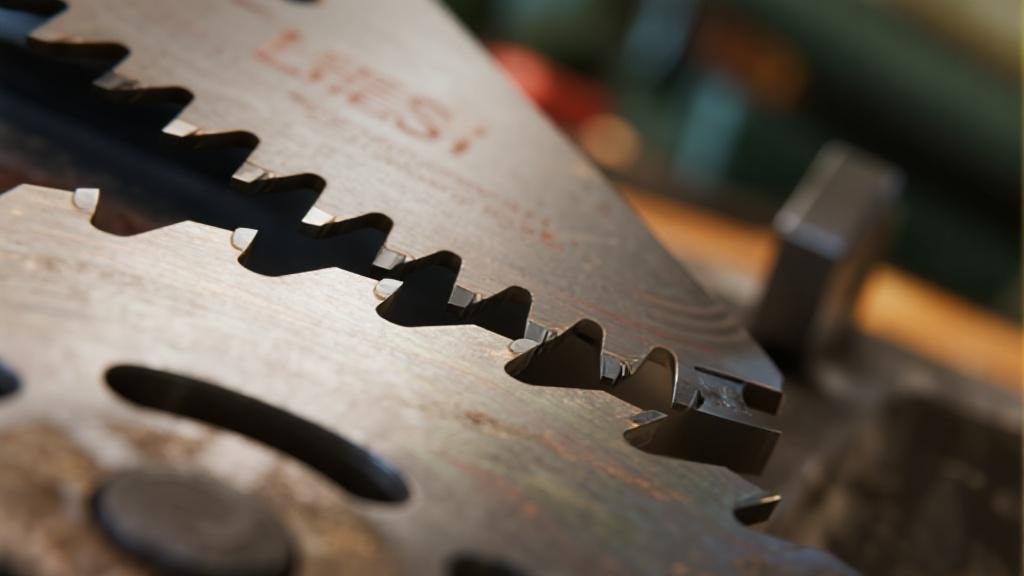
Professional carbide saw blade sharpening and repair is more than just a maintenance task; it is an essential service that protects your investment, ensures the quality of your finished product, and extends the life of your equipment. In this comprehensive guide, we will explore everything you need to know about maintaining your blades, the science of professional sharpening, and when it’s time to opt for a complex repair or tooth replacement.
Before diving into maintenance, it is important to understand what makes these blades special. Unlike standard steel blades, carbide-tipped blades feature a steel body with small “teeth” made of tungsten carbide—a chemical compound containing equal parts of tungsten and carbon atoms. This material is approximately twice as stiff as steel and significantly denser.
Because carbide is so hard, it requires specialized diamond-wheel grinding to sharpen. While a standard steel blade might dull after a few hours of heavy use, a high-quality carbide blade can stay sharp for weeks or even months, depending on the material being cut. However, that hardness comes with a trade-off: brittleness. Carbide teeth can chip or shatter if they strike a hard object like a nail, stone, or a particularly dense knot in the wood.
“Investing in high-quality carbide blades is only half the battle. The true value is realized through a consistent, professional sharpening regimen that maintains the blade’s original factory geometry.”
Signs Your Carbide Blade Needs Sharpening
Operating with a dull blade is one of the most common mistakes in both hobbyist and industrial shops. A dull blade doesn’t just produce poor results; it puts unnecessary strain on your saw’s motor and increases the risk of dangerous kickbacks. Here are the primary signs that your blade is ready for the sharpening shop:
- Increased Resistance: If you find yourself having to “push” the material through the saw with more force than usual, the teeth have lost their keen edge.
- Burn Marks: As a blade dulls, it stops cutting cleanly and starts creating friction. This friction generates heat, which leaves unsightly burn marks on wood or discolors metal.
- Chipping and Tear-out: A sharp blade severs fibers cleanly. A dull blade “bashes” through them, leading to splintering on the underside of your workpiece (tear-out).
- Audible Changes: Listen to your saw. A dull blade often produces a higher-pitched “screaming” sound or a heavy laboring hum as the motor struggles to maintain RPMs.
- Visible Wear: If you inspect the teeth under a magnifying glass, you may see rounded edges or small “nicks” on the face or top of the carbide tip.
The Professional Sharpening Process: CNC vs. Manual
When you send your blades to a professional service, they undergo a rigorous process that cannot be replicated with a hand file or a cheap home sharpening kit. Modern professional shops utilize CNC (Computer Numerical Control) grinding machines to ensure absolute precision.
1. Cleaning and Inspection
The first step is a deep clean. Blades are often soaked in specialized ultrasonic cleaners to remove “pitch” (dried resin and sap). Once clean, the blade is inspected for cracks in the steel plate and missing or chipped teeth.
2. Grinding the Face, Top, and Sides
Professional sharpening involves grinding three distinct areas of the tooth:
- The Face: The front part of the tooth that hits the material first.
- The Top: The “crown” of the tooth which determines the height and clearance.
- The Sides: Essential for blades used in fine cabinetry to ensure a smooth side-wall finish.
3. Maintaining Geometry
Every blade has a specific “grind” or geometry, such as ATB (Alternate Top Bevel), TCG (Triple Chip Grind), or FTG (Flat Top Grind). A professional CNC machine is programmed to follow these exact angles to within a thousandth of an inch, ensuring the blade performs exactly as the manufacturer intended.
Tooth Replacement and Advanced Repairs
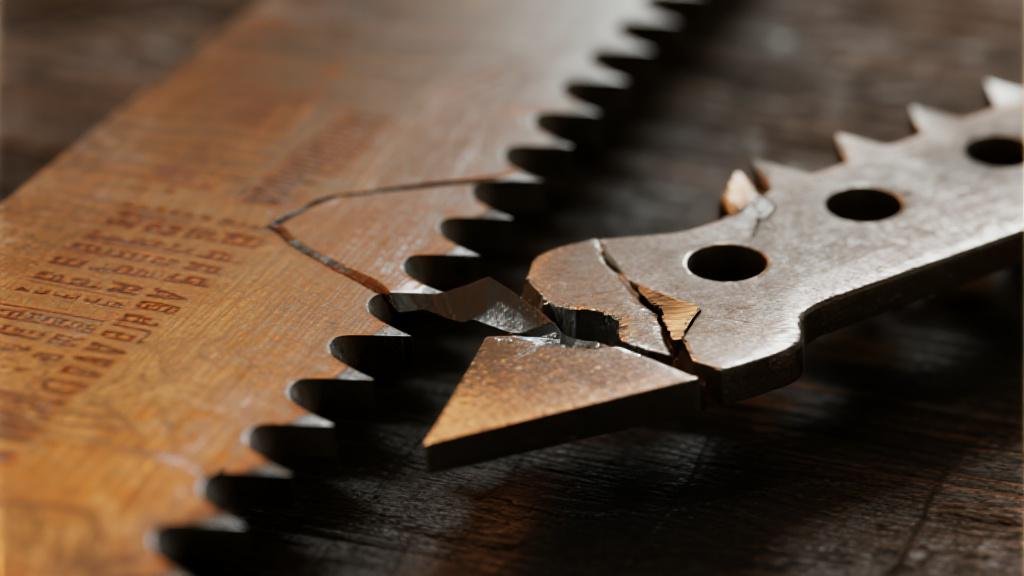
One of the greatest advantages of carbide-tipped blades is that they are repairable. If you hit a nail and shatter three teeth, you don’t have to throw away a $150 blade. Professional repair shops perform a process called induction brazing.
During this process, the damaged carbide remnant is removed, and the “pocket” on the steel plate is cleaned. A new carbide tip is then brazed (essentially high-temperature soldering) onto the plate using a silver-solder alloy. Once the new tooth is cooled, it is ground down to match the exact height and width of the existing teeth. This tooth replacement service can save industrial operations thousands of dollars in replacement costs annually.
Straightening and Tensioning
Over time, or due to overheating, a saw blade’s steel plate can “warp” or lose its tension. A warped blade will wobble, creating a wider kerf and a rougher cut. Skilled technicians can “hammer” or roll the plate to restore its flatness and internal tension, a process that is as much an art as it is a science.
Comparison: Professional Service vs. Buying New
Is it always worth sharpening a blade? The following table breaks down the differences between professional maintenance and purchasing new economy or premium blades.
| Feature | Professional Sharpening | Economy Blades (New) | Premium Blades (New) |
|---|---|---|---|
| Cost | Low ($15 – $45) | Moderate ($30 – $60) | High ($100 – $250) |
| Precision | High (CNC Guaranteed) | Low to Moderate | Very High |
| Longevity | Extends life by 10+ cycles | Disposable | Long-lasting |
| Cut Quality | Restored to Factory | Varies / Rougher | Mirror-smooth |
| Environmental Impact | Sustainable / Recycles plate | High Waste | High Initial Resource |
Maintenance Tips to Keep Your Blades Sharp Longer
While professional sharpening is inevitable, you can significantly extend the intervals between services by following these blade maintenance tips:
1. Clean Your Blades Regularly
Pitch and resin buildup are the enemies of performance. When resin coats the teeth, it creates more friction, which creates more heat. You can use a dedicated blade cleaner or even simple household laundry detergent and a nylon brush to keep the teeth clean. Never use a wire brush, as it can scratch the steel and encourage more buildup.
2. Use the Right Blade for the Job
Using a fine-tooth crosscut blade to rip thick slabs of oak will cause the blade to overheat rapidly. Always match the tooth count and grind to the material and the direction of the cut. Ripping blades have fewer teeth and deeper gullets to clear large chips, while crosscutting blades have more teeth for a cleaner finish.
3. Proper Storage
Never stack your carbide blades on top of one another. If the carbide teeth of one blade bang against the steel plate of another, they can chip easily. Use the original packaging, a wooden blade rack, or even pieces of cardboard between blades to keep them protected.
4. Check Your Saw’s Alignment
If your table saw’s fence or arbor is slightly out of alignment, the blade will “rub” against the material rather than cutting it cleanly. This creates lateral heat that can dull the side-clearance of the carbide tips prematurely.
The Economics of Professional Sharpening
For many businesses, the decision to sharpen comes down to the bottom line. Consider this: a high-quality 10-inch 80-tooth cabinet shop blade may cost $120. Professional sharpening for that same blade might cost $30. Most premium blades have enough carbide “meat” on the tips to be sharpened 10 to 15 times.
The Math:
- Option A: Buy 10 cheap blades at $40 each = $400 (with inferior cut quality).
- Option B: Buy 1 premium blade ($120) + 9 sharpenings ($270) = $390 (with superior cut quality).
While the total cost is similar, Option B provides a significantly better finish on your projects, less strain on your machinery, and less waste in the landfill. For industrial users running 12-inch to 24-inch blades, the savings are even more dramatic.
Common Myths About Carbide Sharpening
Myth 1: You can sharpen carbide with a standard file.
False. Carbide is harder than the steel used in files. You will simply ruin your file without making a dent in the carbide. Only diamond abrasives can effectively sharpen tungsten carbide.
Myth 2: Sharpening makes the blade smaller and less effective.
While sharpening does remove a microscopic amount of material, it does not change the effective diameter of the blade in any way that impacts 99% of applications. A professionally sharpened blade will perform just as well as a brand-new one.
Myth 3: All sharpening services are the same.
This is a dangerous misconception. A “low-cost” sharpener using manual equipment may overheat the carbide, causing micro-cracking, or they may fail to maintain the proper angles, effectively ruining the blade’s specialized design.
“Quality is remembered long after the price is forgotten. When it comes to your saw blades, the precision of the grind is the difference between a perfect joint and a piece of scrap wood.”
Conclusion: The Value of a Sharp Edge
In the competitive landscape of modern manufacturing and craft, efficiency is everything. A dull saw blade is a silent thief—it steals your time through slower feed rates, it steals your material through tear-out and burning, and it steals your money through premature equipment failure.
By partnering with a professional carbide saw blade sharpening and repair service, you ensure that your tools are always operating at peak performance. Whether you are a weekend hobbyist or a high-volume industrial plant, the benefits of professional maintenance are clear: better cuts, safer operation, and a significantly longer lifespan for your most important tools.
Don’t wait for the smoke to start rising from your workpiece. Inspect your blades today, keep them clean, and trust the experts to restore that factory-fresh edge. Your projects—and your power tools—will thank you.