
High Point NC Carbide Saw Blade Services: The Ultimate Guide to Expert Repair & Maintenance
In the heart of the “Furniture Capital of the World,” the precision of a cut can make or break a production run. For woodworkers, furniture manufacturers, and industrial fabricators in High Point, North Carolina, the quality of their saw blades is a direct reflection of their craftsmanship. Since 1954, Carbide Saws, Inc. has served as the backbone of the Triad’s woodworking industry, providing world-class sharpening, retipping, and repair services.
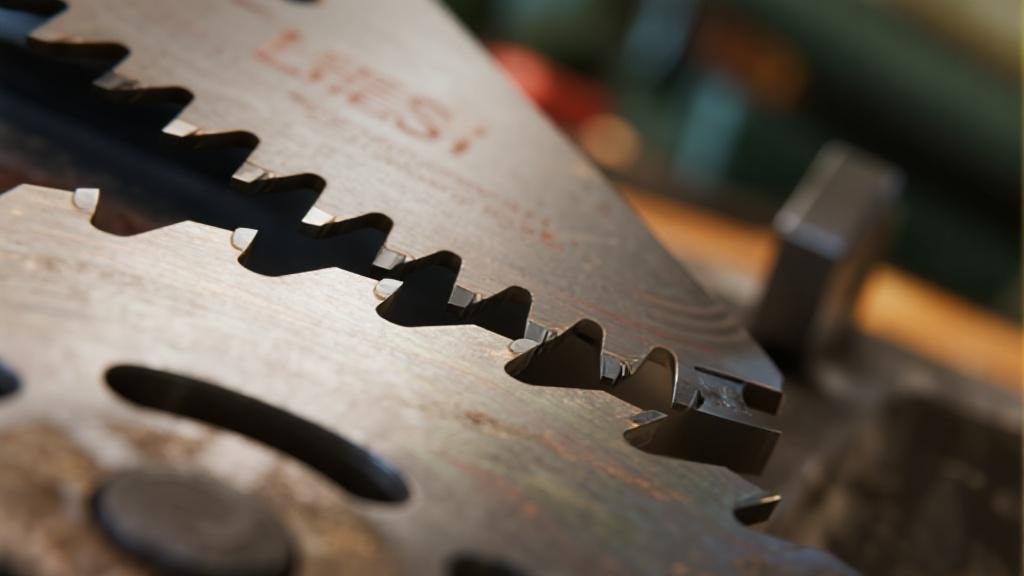
Maintaining carbide-tipped saw blades is not just about keeping them “sharp”; it is about preserving the integrity of the tool, ensuring operator safety, and maximizing the lifespan of expensive equipment. This comprehensive guide explores the technical nuances of carbide saw blade service and why professional maintenance is a non-negotiable for High Point businesses.
Why Professional Carbide Sharpening is Critical
Many hobbyists and even some professional shops attempt to “touch up” their blades using manual files or cheap sharpening jigs. However, carbide is an incredibly hard and brittle material—specifically, a composite of tungsten carbide particles bonded with cobalt. Sharpening this material requires specialized diamond-grinding wheels and precision machinery that can maintain tolerances within thousandths of an inch.
When a blade is sharpened incorrectly, the tooth geometry is altered. This leads to increased friction, “burning” of the wood, and excessive strain on your saw’s motor. Professional sharpening at our High Point facility ensures that your blade performs as well as—or often better than—the day it came out of the box.
“A dull blade is a dangerous blade. When the carbide tips lose their edge, the operator is forced to apply more pressure to feed the material, which significantly increases the risk of kickback and catastrophic tool failure.”
The Science of Tooth Geometry
Not all saw blades are created equal, and their sharpening requirements vary based on their intended use. Our technicians are experts in maintaining specific tooth geometries required for different materials found in High Point’s manufacturing sector:
- Alternate Top Bevel (ATB): Common on crosscut blades, these teeth alternate between right- and left-hand bevels to shear wood fibers cleanly.
- Triple Chip Grind (TCG): Ideal for cutting dense materials like MDF, laminates, and plastics. It features a “tapered” tooth followed by a flat “raker” tooth.
- Flat Top Grind (FTG): Used primarily for ripping solid wood where the goal is fast material removal.
- Hi-ATB: Specialized for melamine and ultra-fine veneered plywood to prevent “tear-out” on the bottom of the board.
Professional vs. DIY Sharpening Comparison
To understand the value of professional service, consider how our industrial process compares to standard “quick-fix” methods:
| Feature | Professional Service (Carbide Saws, Inc.) | DIY / Low-End Sharpening |
|---|---|---|
| Grinding Media | High-grade industrial diamond wheels | Silicon carbide or standard abrasives |
| Coolant | Continuous flood cooling to prevent heat stress | Dry grinding (leads to micro-cracking) |
| Precision | Computer-controlled (CNC) accuracy | Manual “eye-balling” or simple jigs |
| Material Removal | Minimal (extends blade life) | Excessive (shortens blade life) |
| Cleaning | Ultrasonic or chemical pitch removal | Manual scraping (can damage plate) |
| Inspection | Microscopic tip analysis | Visual check only |
Our Comprehensive 6-Step Sharpening Process
At our High Point shop, we follow a rigorous protocol to ensure every blade meets industrial standards. Precision is our priority.
1. Initial Inspection and Troubleshooting
Before any grinding occurs, we inspect the blade for run-out, tension loss, and missing tips. We look for signs of “blueing,” which indicates the blade has been overheated, potentially compromising the steel plate’s tempering.
2. Deep Cleaning and Pitch Removal
Wood resins, sap, and “pitch” build up on the sides of the carbide tips. This buildup creates friction and can disguise cracks in the carbide. We use professional-grade solvents to strip the blade back to its base metal without damaging the brazing that holds the tips in place.
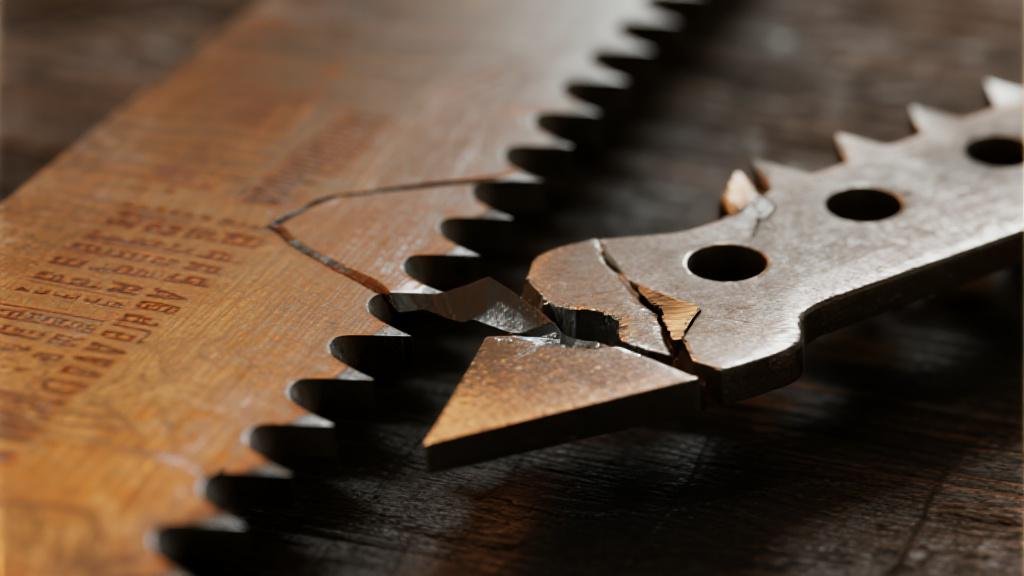
3. Precision CNC Grinding
Using state-of-the-art equipment, we grind the face, top, and sides of each tooth. We follow the original manufacturer’s specifications to ensure the hook angle and bevel angles remain consistent. This is critical for maintaining the “feed rate” the blade was designed for.
4. Tensioning and Leveling
A blade must be perfectly flat to cut straight. Over time, heat and centrifugal force can cause a blade to lose its “tension.” Our experts can hammer-tension or roll-tension the plate to ensure it runs true at high RPMs, eliminating wobble and vibration.
5. Microscopic Quality Control
We don’t just trust the machines. Every blade is inspected under magnification to ensure there are no microscopic “chips” or “nicks” in the newly ground edges. We check the concentricity of the blade to ensure every tooth is doing an equal amount of work.
6. Protective Coating and Packaging
To prevent rust and protect the razor-sharp edges during transport back to your High Point facility, we apply a protective sealant. Whether you use our FREE pickup and delivery or drop off in person, your blades arrive ready for immediate production.
Expert Carbide Tip Replacement (Retipping)
One of the most common questions we receive in High Point is: “I hit a nail; is my blade ruined?” The answer is almost always no. Unlike steel blades, carbide-tipped blades are designed to be repaired.
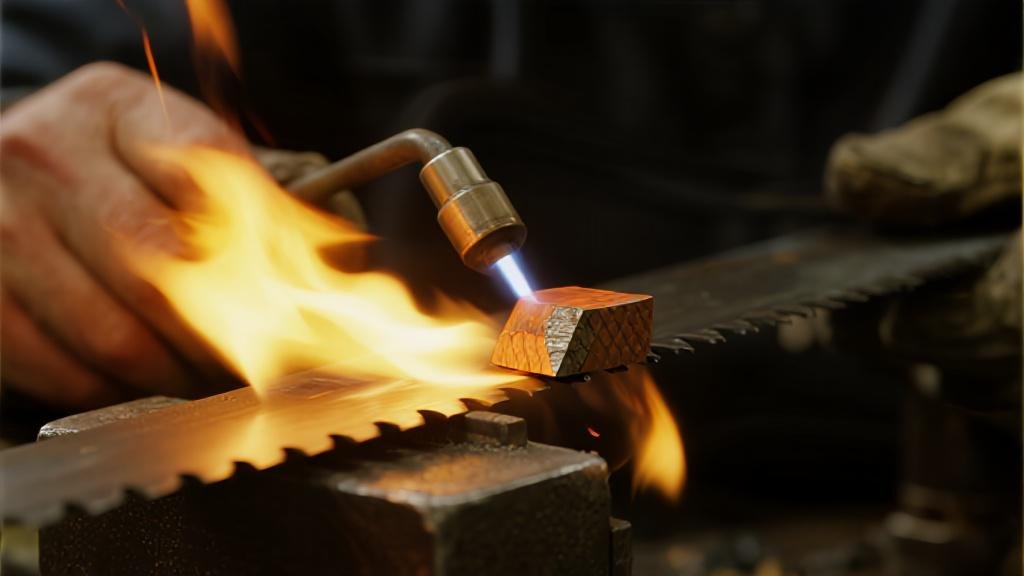
Retipping is a highly technical process where we remove the damaged carbide and “braze” a new tip onto the steel shoulder. We use a high-silver content brazing alloy which acts as a shock absorber between the hard carbide and the flexible steel plate. This service can save High Point businesses hundreds of dollars by avoiding the purchase of new industrial-diameter blades.
When should you consider retipping?
- When teeth are chipped after hitting a foreign object (staples, nails, rocks).
- When the carbide has been sharpened so many times there is no “meat” left for another grind.
- When a tooth has “thrown” (detached) due to extreme heat or impact.
Serving the High Point Furniture & Manufacturing Sector
High Point isn’t just a city; it’s a global hub for woodworking. Our services are tailored to the specific needs of local industries:
- Furniture Manufacturers: We provide high-volume sharpening for gang-rip saws and CNC panel saws, ensuring consistent finishes on high-end hardwoods.
- Cabinet Shops: Precision is paramount for cabinetry. We sharpen scoring blades and main blades in tandem to ensure chip-free cuts.
- Millwork & Molding: Custom profiles require custom solutions. We service molding heads and specialized cutters to maintain intricate trim details.
- Industrial Plastic & Metal Fabricators: We service cold saws and non-ferrous metal cutting blades for High Point’s diverse manufacturing base.
Maintenance Tips: How to Extend the Life of Your Blades
While we love seeing our customers, we want your blades to last as long as possible between professional sharpenings:
- Don’t Wait Too Long: If you see smoke or smell burning wood, stop immediately. Continuing to use a dull blade can permanently warp the steel plate.
- Clean Your Blades Weekly: Use a dedicated blade cleaner to remove pitch. Never use a wire brush; use a nylon or brass brush instead.
- Proper Storage: Never stack blades directly on top of each other. Use plywood spacers or dedicated blade racks to prevent chipping.
- Check Your Saw’s Alignment: If your saw is out of alignment, the blade will “heel” in the cut, creating uneven wear and premature dulling.
The Economic Advantage of Local Service
In today’s economy, operational efficiency is the key to profitability. By partnering with a local High Point specialist like Carbide Saws, Inc., you gain several financial advantages:
- Reduced Inventory: With our 24-48 hour turnaround and FREE pickup/delivery, you don’t need to keep dozens of back-up blades.
- Extended Tool Life: Our precision grinding allows for 15-20 sharpenings over the life of a high-quality blade.
- Lower Energy Costs: Sharp blades cut with less resistance, reducing the amperage draw of your machinery.
“We’ve used Carbide Saws, Inc. for three decades. Their ability to pick up our dull blades on Monday and have them back, razor-sharp, by Wednesday keeps our production line moving without a hitch.” – Local High Point Furniture Manufacturer
Frequently Asked Questions (FAQ)
How many times can a carbide blade be sharpened?
Depending on the quality of the blade, a professional-grade blade can typically be sharpened 10 to 20 times. Cheap blades from big-box stores may only survive 1 or 2 sharpenings.
What is the difference between “sharpening” and “reconditioning”?
Sharpening focuses solely on the cutting edge. Reconditioning involves cleaning, flattening, tensioning, and sometimes retipping. We treat every sharpening job as a mini-reconditioning.
Do you offer pickup and delivery for small shops?
Yes! We value our High Point hobbyists and small shops. If you are on our regular route in High Point, Greensboro, or Winston-Salem, we are happy to stop by.
Contact the High Point Experts Today
Don’t let dull blades compromise your work or your safety. Experience the difference that 70 years of local expertise makes. Whether you need a single miter saw blade sharpened or a complete industrial inventory managed, Carbide Saws, Inc. is ready to serve you.
- Phone: (336) 885-7700
- Address: High Point, NC (Call for local drop-off directions)
- Business Hours: Monday – Friday, 8:00 AM – 5:00 PM
- Service Areas: High Point, Greensboro, Winston-Salem, Thomasville, Lexington, and Kernersville.
Trust your tools to the hands that have built High Point’s reputation for excellence. Call us today to schedule your FREE pickup!