
The Definitive Guide to Carbide Saw Blade Maintenance, Sharpening, and Repair
For woodworkers and industrial manufacturers in High Point, North Carolina—the “Furniture Capital of the World”—the precision of a cut isn’t just a preference; it is a professional requirement. At Carbide Saws, Inc., we have been the silent partner behind the region’s finest woodwork since 1954. We understand that a saw blade is more than just a piece of metal; it is a high-performance tool that requires specialized care to maintain its edge.
Table of Contents
- Why Carbide Requires Specialized Care
- Daily Maintenance Foundation
- The Science of Professional Sharpening
- Repair and Retipping
- Cost Comparison: DIY vs. Professional
- Weekly Deep Cleaning Protocol
- Heat and Tensioning Issues
- Storage Best Practices
- Signs You Need Professional Service
- The Carbide Saws, Inc. Advantage
Proper carbide saw blade maintenance is the difference between a clean, glue-ready joint and a jagged edge that requires hours of corrective sanding. This comprehensive guide will walk you through everything you need to know about maintaining, sharpening, and repairing your carbide-tipped blades to ensure maximum ROI and peak performance in your shop.
Why Carbide-Tipped Blades Require Specialized Care
Tungsten carbide is one of the hardest materials used in the tool industry, second only to diamond. While this hardness allows the blade to stay sharp up to 50 times longer than standard steel blades, it also makes the teeth brittle. Carbide cannot be sharpened with a standard file; it requires precision diamond-wheel grinding and expert handling.
Neglecting maintenance doesn’t just result in a dull blade—it can lead to “heat checking,” where the carbide develops microscopic cracks due to excessive friction. Once these cracks form, the tip is prone to shattering, which poses a significant safety risk to the operator. By following a strict maintenance schedule, you aren’t just saving money; you are protecting your equipment and your team.
“A dull blade is a dangerous blade. It requires more feed pressure, creates more heat, and is more likely to kick back. Professional sharpening isn’t an expense; it’s an insurance policy for your shop’s safety and productivity.” — The Carbide Saws, Inc. Expert Team
Daily Maintenance: The Foundation of Longevity
High-volume shops in High Point often run their machines for eight to ten hours a day. In these environments, daily checks are non-negotiable. Even for the hobbyist woodworker, a quick five-minute inspection can prevent a hundred-dollar mistake.
1. The Pre-Flight Visual Inspection
Before you flip the switch, perform a 360-degree visual check of the blade. Look for chipped teeth, which often happen if the blade has struck a knot or a foreign object like a staple. Check the “gullets”—the curved areas between the teeth. If these are packed with resin or sawdust, the blade cannot clear chips efficiently, leading to overheating.
2. Pitch and Resin Removal
As you cut wood, especially softwoods like pine or resinous hardwoods, “pitch” (dried sap) accumulates on the sides of the carbide tips. This buildup increases friction. If you notice the wood is starting to “burn” or you see smoke, it is often the pitch burning, not the wood itself. Cleaning the blade daily prevents this pitch from hardening into a glass-like substance that is difficult to remove.
3. Arbor and Flange Hygiene
The interface between your saw’s arbor and the blade must be pristine. Even a tiny speck of sawdust between the blade and the flange can cause “runout,” where the blade wobbles slightly as it spins. This results in a wider kerf and a rougher finish. Always wipe down the arbor and flanges before mounting a blade.
The Science of Professional Carbide Sharpening
Many woodworkers wonder when to stop cleaning and start sharpening. A general rule of thumb is that if a clean blade still requires significant force to feed the wood, or if you see “fuzzing” on the exit side of the cut, it is time for a professional edge. At Carbide Saws, Inc., our sharpening process involves more than just making the teeth pointy.
Precision Grinding Angles
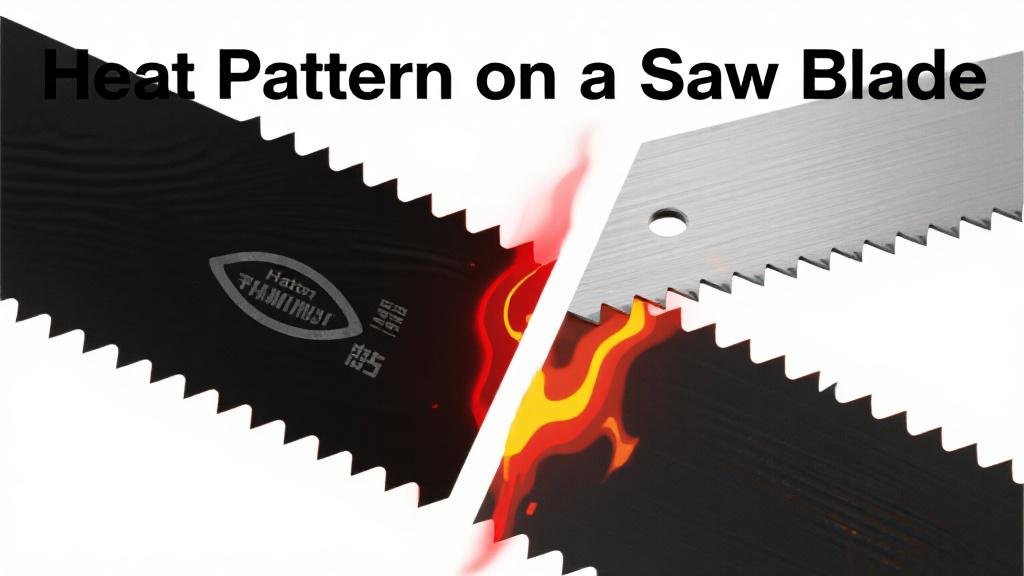
Every carbide blade is engineered with specific angles: the top bevel, the face angle, and the side clearance. When we sharpen a blade in our High Point facility, we use CNC-controlled grinders that maintain these original factory specifications to within a thousandth of an inch. Improper DIY sharpening often rounds over these angles, effectively ruining the blade’s geometry.
The Role of Coolants
During the sharpening process, heat is the enemy. We use high-pressure synthetic coolants to ensure the carbide never reaches a temperature that would compromise the “braze”—the silver solder that holds the carbide tip to the steel plate. This ensures the tip remains securely bonded for the life of the blade.
Repair and Retipping: Giving New Life to Damaged Blades
Accidents happen. You might hit a hidden nail or drop a blade on a concrete floor. In the past, a missing or broken tooth meant the blade was destined for the scrap heap. Today, professional retipping can save you hundreds of dollars.
When is a blade repairable?
- Missing Tips: We can braze a brand-new carbide tip onto the existing pocket.
- Chipped Carbide: Minor chips can be ground out during sharpening; larger chips require a full tip replacement.
- Warped Plates: If a blade has “dished” due to overheating, our technicians can often hammer-tension the plate back to flatness.
- Bored-out Arbors: If your arbor hole is damaged or you need to fit a different machine, we can precision-bore the center hole.
Comparing Maintenance Costs: DIY vs. Professional
It is tempting to try to “stretch” the life of a blade, but the math rarely supports it. Below is a comparison of the costs associated with blade care in a typical High Point production environment.
| Factor | Neglected Blade | Regularly Maintained Blade | Professional Service |
|---|---|---|---|
| Blade Lifespan | 100 – 200 Linear Feet | 500 – 1,000 Linear Feet | Up to 15-20 Sharpenings |
| Cut Quality | Poor (Requires Sanding) | Good (Ready for Finish) | Excellent (Factory New) |
| Motor Strain | High (Risk of Burnout) | Low | Optimal |
| Safety Risk | High (Kickback/Shatter) | Low | Minimal |
| Long-Term Cost | $$$$ (Replacement) | $$ (Lower Labor) | $ (70% Saving vs New) |
Deep Cleaning: The Weekly Protocol
Once a week, or after a heavy production run, your blades deserve a deep soak. This removes the microscopic layers of resin that daily wiping might miss.
The Deep Cleaning Steps:
- The Soak: Submerge the blade in a shallow pan of specialized blade cleaner. Avoid harsh chemicals like oven cleaner, which can attack the cobalt binder in the carbide and make the tips brittle.
- The Scrub: Use a brass-bristled brush. Brass is softer than carbide and steel, so it will scrub away the gunk without scratching the polished surface of the blade.
- The Rinse: Rinse with water and immediately dry the blade with compressed air. Any moisture left in the gullets can lead to surface rust.
- The Protectant: Apply a light coating of dry lubricant or specialized tool wax. This prevents rust and makes it harder for future pitch to stick to the metal.
The Hidden Enemy: Heat and Tensioning
Industrial saw blades are not just flat pieces of steel. They are “tensioned.” Manufacturers use a process of rolling or hammering the plate so that it is actually slightly stressed. When the blade reaches its operating speed (usually 3,000 to 5,000 RPM), the centrifugal force causes the blade to stretch. A properly tensioned blade becomes perfectly flat and rigid at full speed.
Excessive heat destroys this tension. If you run a dull blade, the friction heats the outer rim faster than the center. This causes the rim to expand, making the blade “snake” or wobble. If your blade is no longer cutting straight even after sharpening, it likely needs to be professionally tensioned at our High Point shop. We use specialized equipment to check the “runout” and restore the plate’s internal stresses.
Storage Solutions for High-End Blades
How you store your blades when they aren’t on the saw is just as important as how you use them. Carbide tips are extremely hard but also brittle; if two blades clink together, the carbide can chip easily.
Best Practices for Storage:
- Never Stack Blades: Stacking blades directly on top of each other is the #1 cause of chipped teeth in the shop.
- Vertical Racks: Build or buy a rack that allows blades to hang by their arbor holes or sit in individual slots.
- Original Packaging: If you have the space, keeping the original plastic or cardboard sleeves provides the best protection against moisture and impact.
- Climate Control: High Point can be humid. Store your blades in a climate-controlled area to prevent the “pitting” of the steel plate, which can weaken the tool over time.
Signs You Need to Visit Carbide Saws, Inc. Immediately
Sometimes, maintenance isn’t enough, and professional intervention is required. If you experience any of the following, stop using the blade immediately and bring it to our facility:
1. Vibration: If the saw starts vibrating excessively, the blade may be out of balance or the plate may be warped. Continued use can destroy your saw’s bearings.
2. Blueing: If you see blue or straw-colored “rainbow” marks on the steel plate, the blade has reached extreme temperatures. The steel has likely lost its temper and its tension.
3. Excessive Noise: A sharp blade “whistles” or “sings” through the air. A dull or damaged blade creates a turbulent, roaring sound.
4. Repeated Burning: If you’ve cleaned the blade and it still leaves burn marks on a fresh piece of oak or cherry, the carbide geometry is gone and needs to be reset on a grinder.
“We’ve seen blades that customers thought were ready for the trash, only to have them returned in better-than-new condition. Before you spend $150 on a new industrial blade, let us evaluate if a $20 sharpening can do the trick.” — Carbide Saws, Inc. Service Manager
The Carbide Saws, Inc. Advantage in High Point
Since 1954, Carbide Saws, Inc. has been a cornerstone of the North Carolina woodworking industry. We aren’t just a sharpening shop; we are a full-service tool engineering firm. Our legacy is built on three generations of expertise, ensuring that every blade that leaves our shop meets the highest standards of precision.
Our Comprehensive Services Include:
- Industrial Sharpening: For table saws, miter saws, cold saws, and more.
- Custom Tooling: We can modify blades for specific manufacturing needs.
- Pickup and Delivery: We offer a dedicated route service for shops in High Point, Greensboro, and Winston-Salem.
- Expert Consultation: Not sure which blade is right for a new material? Our team provides free advice based on 70 years of experience.
Conclusion: Invest in Your Edge
In the world of professional woodworking, your tools are an extension of your craft. By following a dedicated maintenance schedule—daily inspections, weekly cleanings, and professional sharpening every 3-6 months—you ensure that your work remains of the highest quality while keeping your overhead costs low.
Don’t let a dull blade slow down your production or compromise your safety. Trust the experts who have been serving the High Point community for seven decades.
Contact Us Today
Ready to experience the sharpest edge in North Carolina? Contact Carbide Saws, Inc. today to schedule your service or request a pickup.
- Phone: (336) 885-7700
- Address: High Point, North Carolina
- Hours: Monday – Friday: 8:00 AM – 5:00 PM
- Specialty: Carbide Saw Sharpening, Repair, Retipping, and Sales
Carbide Saws, Inc. – Precision Performance Since 1954.