
The Ultimate Guide to Carbide Saw Blade Sharpening, Repair, and Maintenance
As a woodworker, furniture manufacturer, or industrial contractor in High Point, North Carolina, your tools are the lifeblood of your operation. Among these tools, the carbide-tipped saw blade stands out as one of the most critical components for achieving precision and efficiency. However, even the highest quality blades from industry leaders will eventually lose their edge.
Since 1954, Carbide Saws, Inc. has been the cornerstone of the High Point woodworking community, providing expert sharpening and repair services that keep production lines moving and craft projects looking flawless. In this comprehensive guide, we will dive deep into everything you need to know about maintaining your carbide saw blades, identifying when they need professional help, and understanding the intricate process of restoration.
Table of Contents
Why Carbide? Understanding Your Blade’s Anatomy
Before discussing sharpening, it is essential to understand why we use carbide. Most modern professional blades feature Tungsten Carbide tips brazed onto a steel alloy plate. Carbide is a compound that is significantly harder than standard steel or even high-speed steel (HSS). This hardness allows the blade to hold a sharp edge up to 50 times longer than steel blades.
However, that hardness comes with a trade-off: brittleness. Carbide tips can chip if they hit a knot, a hidden nail, or even if they are handled roughly. This is why professional sharpening is a specialized craft. It requires diamond-grit grinding wheels and precision machinery to shave off microns of material without compromising the integrity of the tooth or the balance of the blade.
7 Detailed Signs Your Carbide Saw Blade Needs Sharpening
Recognizing the early warning signs of a dull blade can save you hundreds of dollars in wasted material and prevent permanent damage to your equipment.
1. Burn Marks and Scorch Lines
When a carbide tooth is sharp, it slices through wood fibers cleanly. When it is dull, it begins to rub against the wood. This friction generates intense heat. If you notice dark brown or black scorch marks on the edges of your lumber, your blade is likely “glazing” the wood rather than cutting it. This is especially common in hardwoods like oak or maple, which are found frequently in High Point furniture shops.
2. Excessive Tear-Out and Splintering
Are your plywood veneers chipping? Is the exit side of your cut looking “fuzzy”? A sharp blade shears the fibers; a dull blade “bashes” through them. If you are seeing rough or splintered edges, the hook angle and the top bevel of your carbide tips have likely rounded over. Professional sharpening restores the razor-sharp geometry needed for “glue-line” quality cuts.
3. Increased Motor Strain and Audible Changes
Listen to your saw. A dull blade requires more torque to push through the material. If you notice the motor “bogging down” or changing pitch significantly during a cut, you are putting unnecessary stress on your equipment. Over time, this can lead to premature motor failure, which is a much more expensive repair than a simple blade sharpen.
4. Visible Damage and Tip Wear
Regularly inspect your blade (with the power disconnected!). Look for:
- Rounded edges: The sharp corner of the carbide looks shiny and curved.
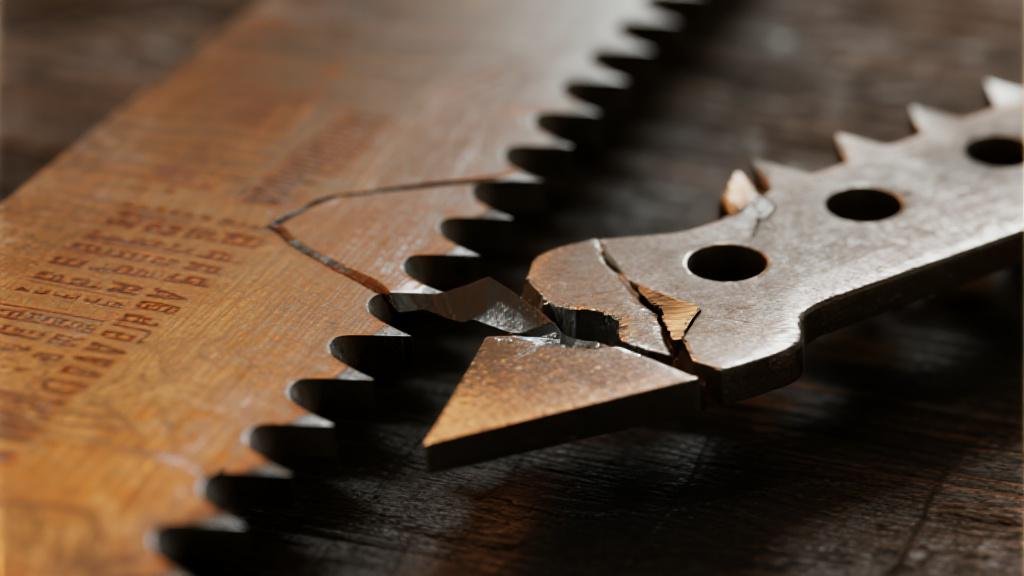
- Chipped tips: Small chunks missing from the carbide, often caused by “dirty” wood or staples.
- Pitch buildup: Sawdust and resin (pitch) can bake onto the blade, increasing friction. While this can be cleaned, it often hides a dull edge underneath.
5. The “Push” Factor
You should never have to force a workpiece through a saw. If you find yourself leaning into the board or using excessive feed pressure, stop immediately. This is a primary cause of kickback, as the blade is no longer cutting fast enough to clear the kerf, causing the wood to bind and launch back at the operator.
6. Inconsistent Cut Geometry
If your cuts are no longer perfectly square, or if the blade seems to “drift” during a long rip cut, the teeth may be wearing unevenly. If one side of the carbide is duller than the other, the blade will naturally pull toward the sharper side, leading to inaccurate dimensions and wasted stock.
7. Scheduled Maintenance Intervals
Don’t wait for failure. High-volume manufacturers in the High Point Triad area often follow a strict rotation schedule. Depending on your volume, you should have your blades serviced every 3 to 6 months to ensure peak performance and maximum blade life.
Comparing Blade Services: What Does Your Blade Need?
Not every blade just needs a “quick grind.” Depending on the condition, different levels of service are required. At Carbide Saws, Inc., we evaluate every blade to determine the most cost-effective path to restoration.
| Service Type | When It’s Needed | What We Do |
|---|---|---|
| Precision Sharpening | Normal wear, dull edges, minor pitch buildup. | CNC grinding of the face, top, and sides to restore original geometry. |
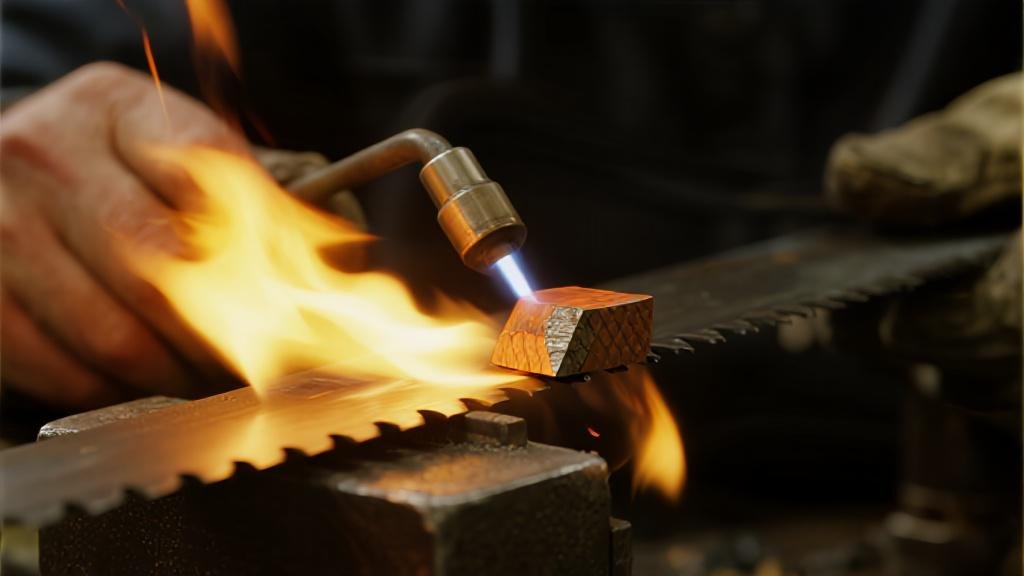
| Carbide Retipping | Broken, cracked, or missing carbide teeth. | Removing the damaged tip and brazing a brand-new carbide tooth onto the plate. |
| Blade Straightening | Warped blades or blades that have “wobble” (run-out). | Hammering and tensioning the steel plate to ensure it runs perfectly flat. |
| Total Overhaul | Older, high-quality blades with multiple issues. | Cleaning, retipping, sharpening, and tensioning to “like-new” status. |
The Professional Sharpening Process: Behind the Scenes
Many people assume sharpening is just running a file over the teeth. In reality, professional carbide saw blade sharpening is a high-tech process. Here is how we do it at Carbide Saws, Inc.:
Step 1: Ultrasonic Cleaning
Before we can sharpen, we must remove all pitch, resin, and gum. We use industrial-strength ultrasonic cleaners that vibrate the debris off the blade without using harsh chemicals that could damage the brazing holding the tips on.
Step 2: Microscopic Inspection
Our technicians inspect every single tooth under magnification. We look for microscopic cracks in the carbide and check the “run-out” of the plate. If the plate isn’t flat, the sharpest teeth in the world won’t give you a good cut.
Step 3: CNC Precision Grinding
We use state-of-the-art CNC (Computer Numerical Control) grinding machines. These machines are programmed with the exact tooth geometry (ATB, TCG, or FTG) of your specific blade. Diamond wheels grind the carbide while a constant flow of coolant prevents heat damage, ensuring a mirror-like finish on the cutting edge.
Step 4: Tensioning and Balancing
A blade spinning at 4,000 RPM needs to be perfectly balanced. We check the tension of the steel plate. If a blade has been overheated, it may lose its “stretch,” causing it to wobble. We professionally tension the blade so it remains stable under the heat of operation.
“A professionally sharpened blade often performs better than a new one out of the box. This is because we take the time to perfectly balance and tension the plate—a step often skipped in mass-produced consumer blades.”
— The Carbide Saws, Inc. Expert Team
The Science of Tooth Geometry
Not all carbide teeth are ground the same way. The way your blade is sharpened depends on what you are cutting. As High Point’s sharpening experts, we specialize in various grinds:
- ATB (Alternate Top Bevel): One tooth bevels left, the next right. Best for cross-cutting wood without splintering.
- TCG (Triple Chip Grind): A flat “raker” tooth followed by a higher “trapezoidal” tooth. Essential for cutting MDF, laminates, and non-ferrous metals.
- FTG (Flat Top Grind): All teeth are flat. Best for fast ripping of heavy timber and creating flat-bottomed grooves.
Pro Tip: When you bring your blades to our High Point shop, let us know what material you cut most often. We can often customize the grind angle to improve your specific production results.
The Financial Benefits: Why Sharpening Beats Buying New
In the modern “throwaway” culture, many people assume it’s easier to just buy a new blade at a big-box store. For professional woodworkers, this is a costly mistake. A high-quality industrial carbide blade can cost anywhere from $80 to $300. Professional sharpening usually costs a fraction of that.
Most industrial-grade blades can be sharpened 10 to 15 times before the carbide is too thin to be safe. By investing in sharpening, you are effectively reducing your long-term tooling costs by 70-80%. Furthermore, industrial blades have thicker plates and better carbide than the cheap disposables found at retail chains, leading to better safety and accuracy.
Maintenance Tips to Extend Blade Life
While we love seeing our customers, we want your blades to last as long as possible between visits. Follow these tips to keep your carbide in top shape:
- Clean your blades regularly: Use a dedicated blade cleaner or simple laundry detergent to remove pitch. Never use a wire brush, which can scratch the plate and encourage more buildup.
- Check your alignment: Ensure your saw’s fence and miter slot are perfectly parallel to the blade. Misalignment causes the side of the blade to rub, creating heat and dulling the teeth prematurely.
- Store them properly: Never stack blades on top of each other where the carbide teeth can clink together. Use wooden spacers or individual cardboard sleeves.
- Use the right blade for the job: Don’t use a fine-tooth crosscut blade for ripping thick hardwood. The lack of gullet space will cause the blade to overheat and dull instantly.
Serving High Point, NC and the Greater Triad
Carbide Saws, Inc. isn’t just a service provider; we are a partner in your craftsmanship. Located in the heart of High Point, North Carolina, we understand the unique needs of the furniture industry and the local construction trades. Our deep roots in the community mean we stand behind every edge we grind.
Free Pickup and Delivery
We know that your time is money. That’s why we offer FREE pickup and delivery for commercial accounts throughout:
- High Point
- Greensboro
- Winston-Salem
- Thomasville
- Lexington
- The entire Piedmont Triad
Ready to Restore Your Cutting Edge?
Don’t let a dull blade compromise your safety or the quality of your work. Whether you have a single table saw blade or a crate of industrial CNC cutters, the experts at Carbide Saws, Inc. are ready to help.
Contact us today to experience 70 years of sharpening excellence:
- Phone: (336) 885-7700
- Address: High Point, North Carolina
- Business Hours: Monday – Friday, 8:00 AM – 5:00 PM
Trust your tools to the experts. Trust Carbide Saws, Inc.